
Sommaire
When looking for a diving destination in Egypt that combines comfort, streamlined logistics, and preserved biodiversity, the El Quseir area stands out as the obvious choice. Having recently returned from a stay at the Rohanou Beach Resort with the dive travel agency Dive Trip Adekua, I was able to explore in detail the best this area has to offer photographers and marine life enthusiasts. Renowned for its pristine fringing reefs and unique, luminous underwater environments, El Quseir offers a more respectful and less crowded diving experience than the major resort towns in the north. From the “House Reef,” just a few steps away, to more distant dives, the underwater experience here is surprisingly rich. Here, I’ll share a comprehensive recap of my experience, my tips for getting the best shots in these crystal-clear waters, and my thoughts on the facilities that make El Quseir a must-visit destination for your next trip to the Red Sea.
The Rohanou Beach Resort: a retreat dedicated to comfort and relaxation in El Quseir, Egypt
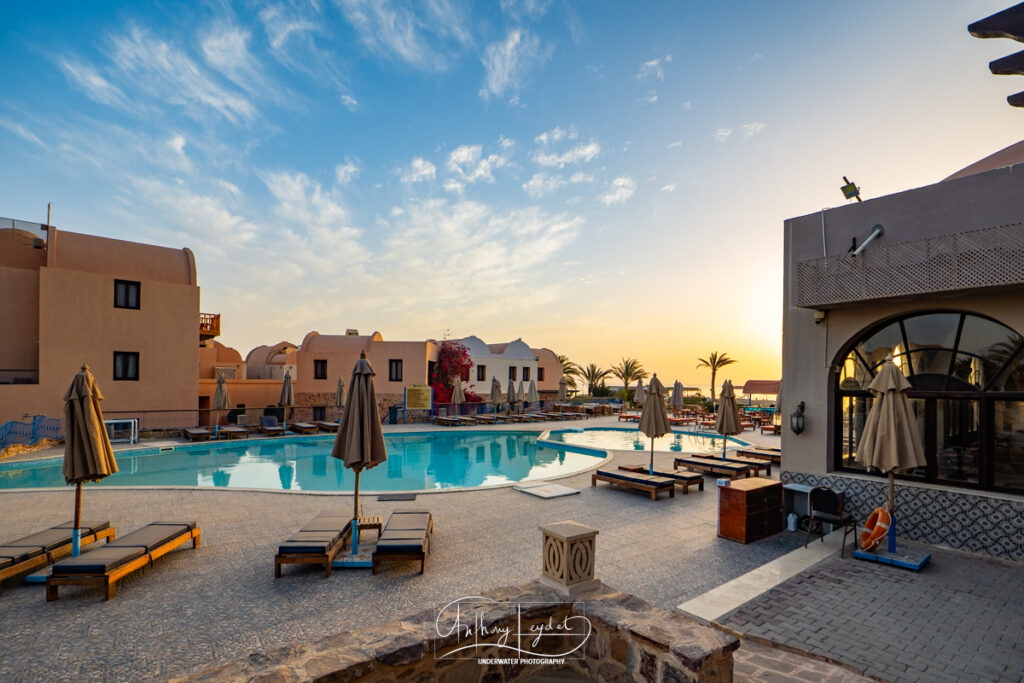
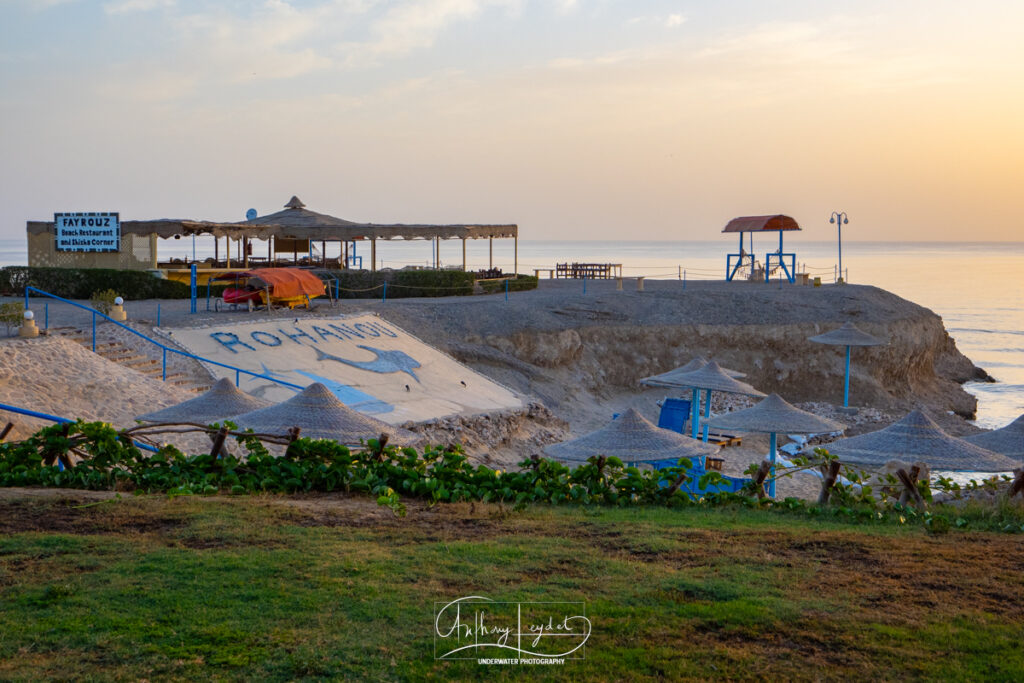
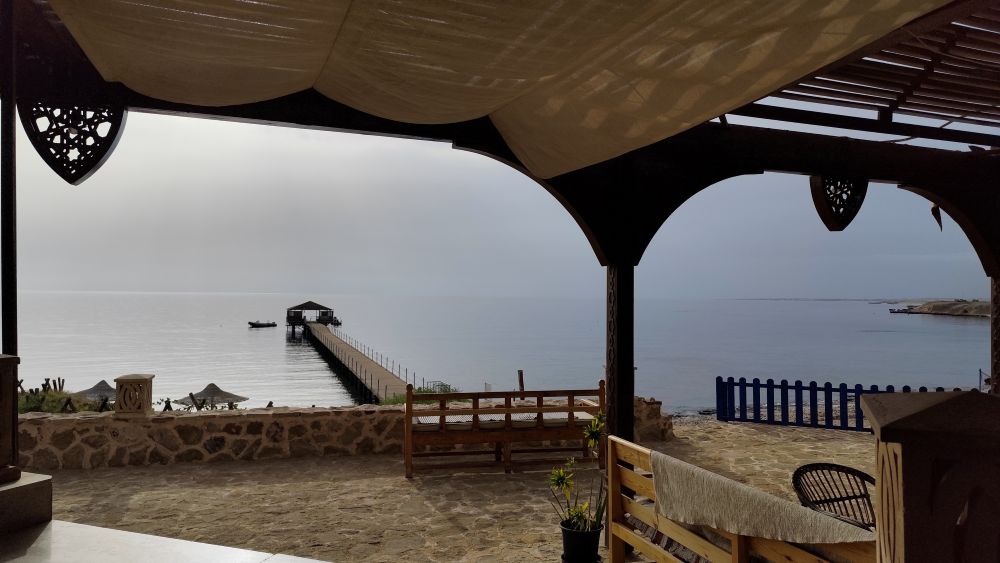
Choosing a place to stay in El Quseir is a crucial decision, and the Rohanou Beach Resort stands out as a prime choice. Built on the edge of a low cliff, the hotel overlooks the Red Sea. What immediately captivates guests is the balance between the comfort of a luxury hotel and an intimate atmosphere, far removed from sprawling resorts.
The Nubian-inspired architecture features spacious rooms, which is essential for us since we travel with large bags and bulky photography equipment. But beyond the accommodations, it’s the quality of the facilities that completes the diver’s experience :
Fine dining and a warm, welcoming atmosphere
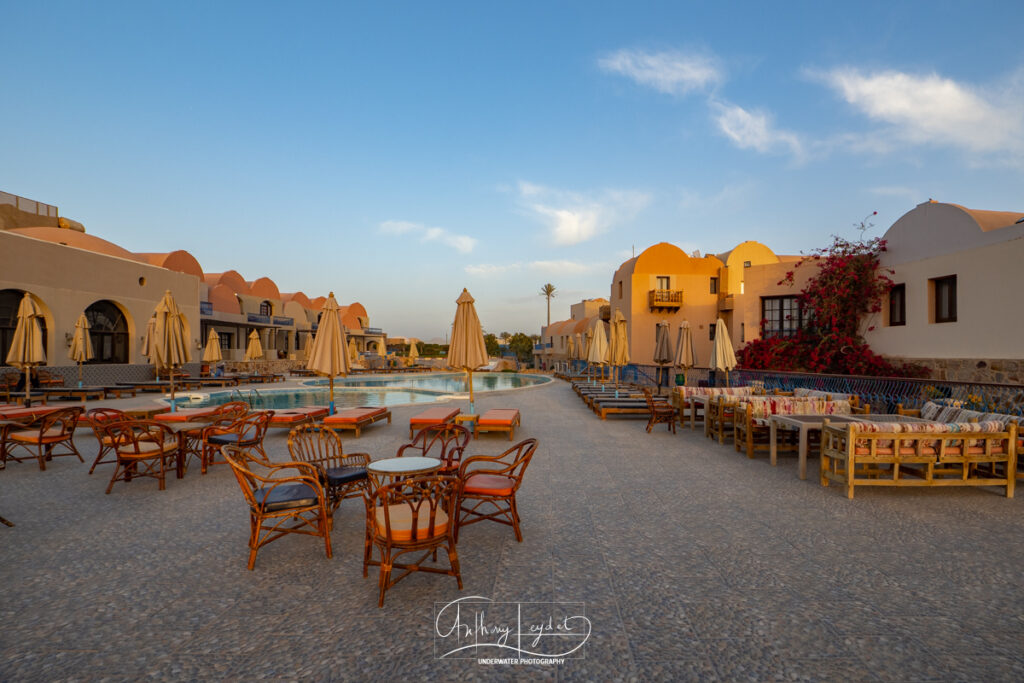
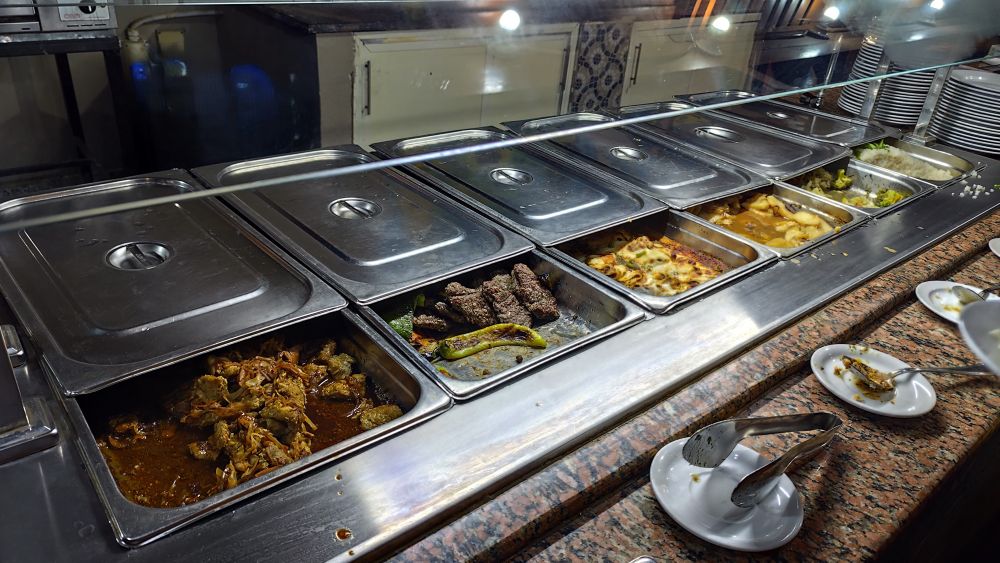
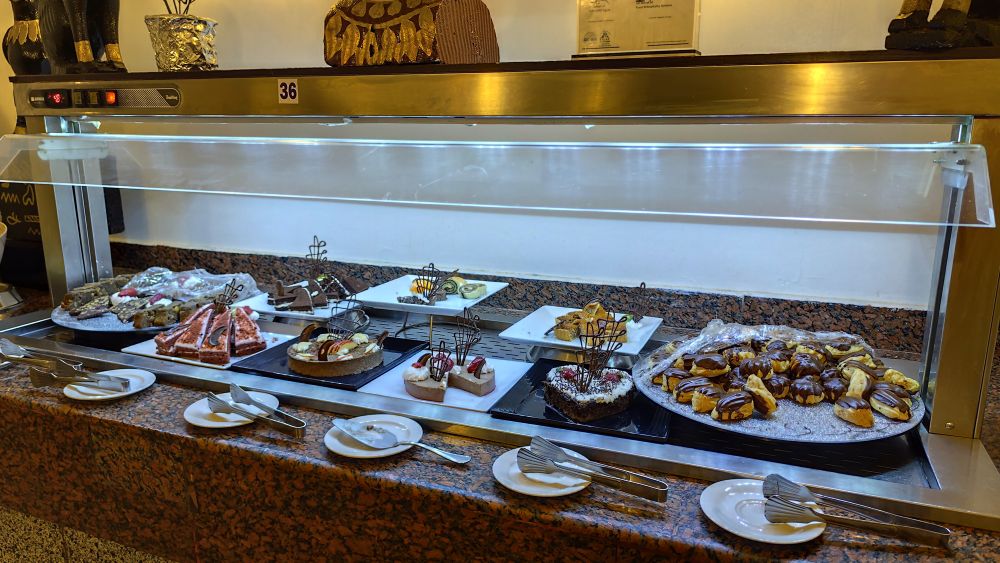
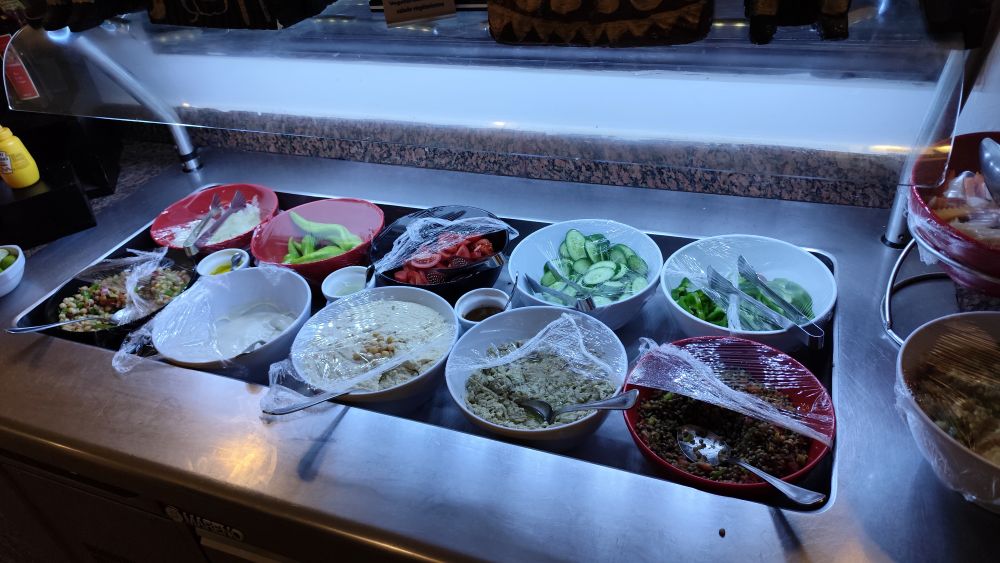
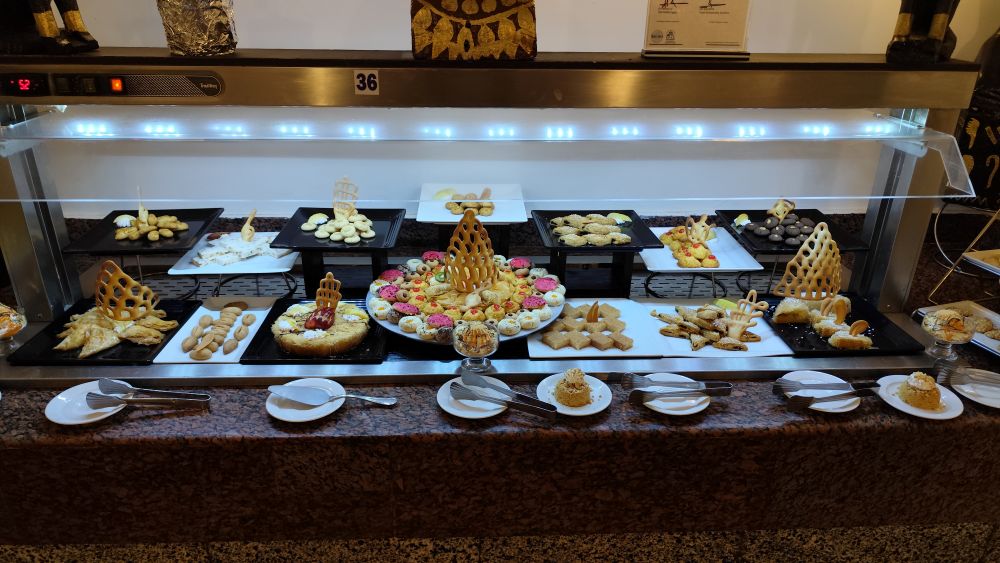
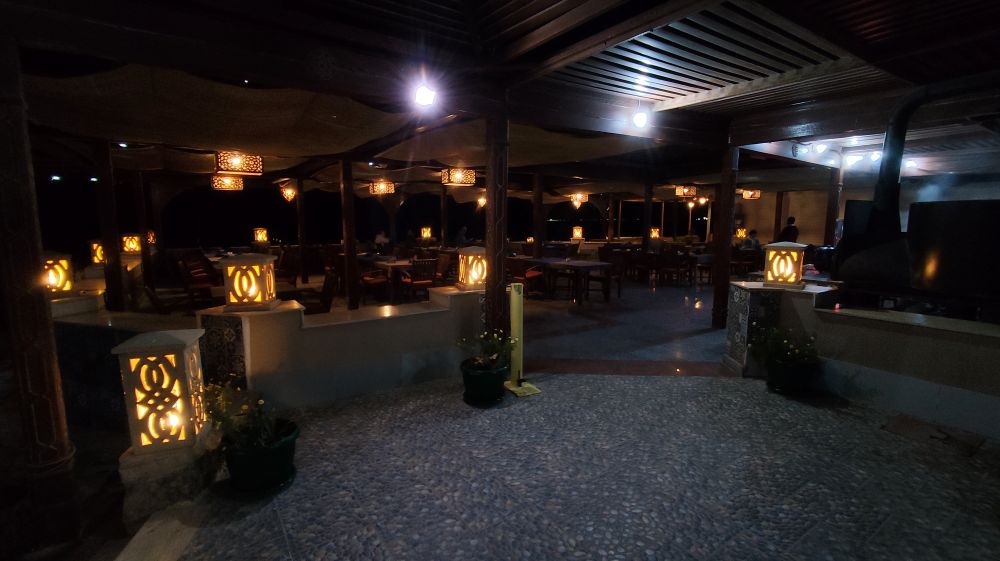
With two or three dives a day, meals become a top priority. The main restaurant offers a varied buffet-style menu that blends local and international flavors, perfect for refueling. Special mention goes to the bar’s terrace: it’s the must-visit spot at sunset to fill out your logbooks or debrief on the day’s underwater encounters over a drink, facing the vast blue expanse.
Relaxation and recovery at the Spa
Although diving is relaxing, it is still a physical activity. Le Rohanou features a spa that is particularly welcome for soothing your muscles after a day of diving. A massage, some time in the hot tub, or a sauna session ensures optimal recovery, guaranteeing you’ll be in top shape for the next morning’s dive!
Smooth logistics
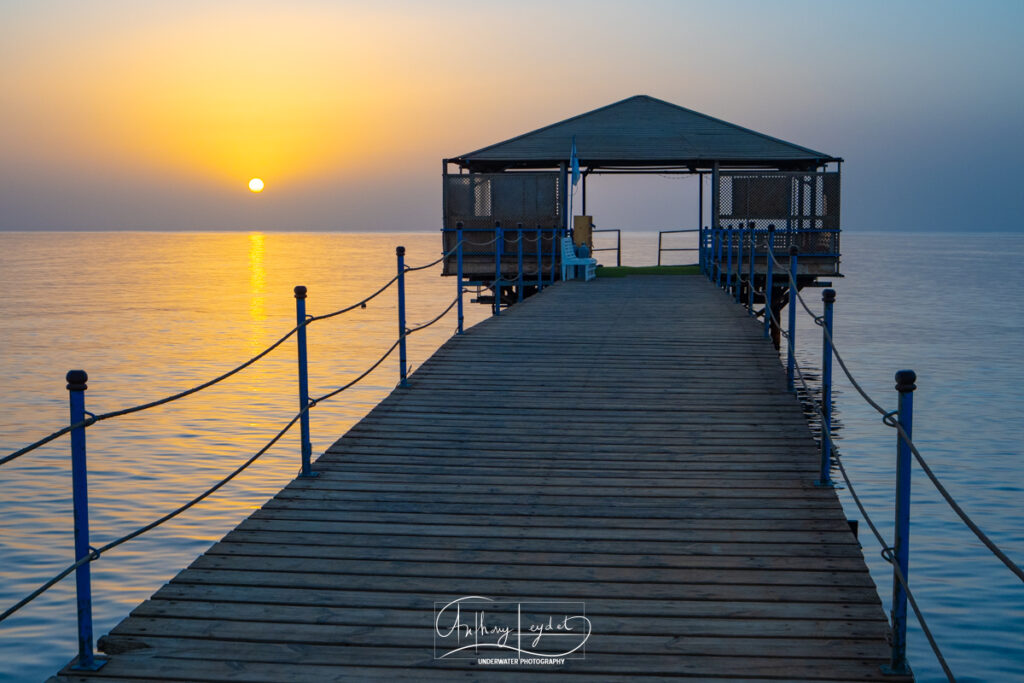
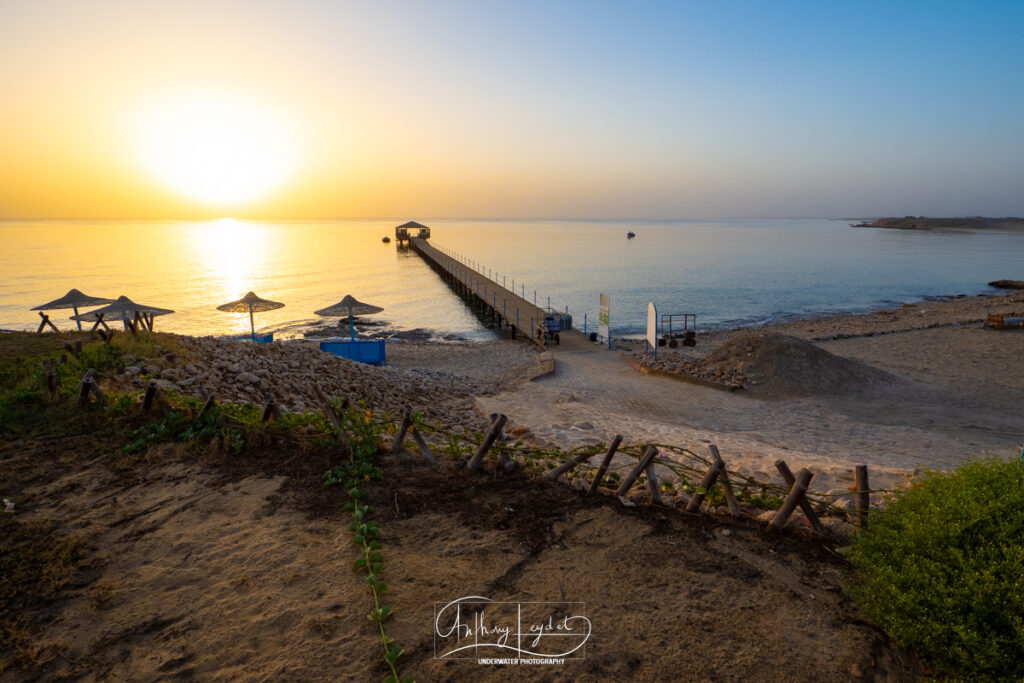
Everything at Le Rohanou is designed for convenience. The immediate proximity to the on-site dive center and direct access to the reef via the pontoon eliminate the need for tiring transfers. It’s a pleasure to be able to rinse off your gear and relax by the pool in just a few minutes. It’s this “club-like” and friendly atmosphere, combined with high-quality wellness services, that makes this hotel a true haven for those who consider diving the heart and soul of their vacation, without sacrificing the comfort of their stay.
Ducks Diving: a meticulously organized dive center serving the diving community in El Quseir
At Rohanou Beach Resort, the Ducks Diving center is more than just a dive shop; it is the driving force behind the underwater experience that divers come to El Quseir for. From the moment you arrive, you’ll be struck by the efficiency of the organization and the space dedicated to divers. Here, everything is designed to minimize logistical hassles and maximize the time spent underwater.
Facilities designed for enthusiasts
The center features spacious storage areas for equipment, large rinse tanks, and crucially for us, spaces designed for handling camera housings and filming equipment. The staff, who are accustomed to working with photographers and videographers, handle the equipment with the utmost care.
- The Dock: a true gateway to adventure, it is equipped to make entering the water and exiting the water easy, even when the sea is slightly choppy. Divers never carry their tanks between the center and the dock!
- Gas: the center, of course, offers Nitrox, an essential advantage for safely extending your time underwater and stringing together dives on the House Reef without getting too tired.
A team of experts and uncompromising security
The instruction at Ducks Diving is characterized by a blend of Germanic precision (the center’s historical DNA) and Egyptian warmth. Briefings are precise, using detailed site maps, and safety is always the top priority. Whether you’re a self-guided diver or prefer to be guided, the team knows how to adapt to your skill level and specific preferences.
The freedom of independence
For a photographer (but not only !), Ducks’ greatest strength is undoubtedly the freedom offered at the House Reef. Once you’ve been briefed, you can dive in pairs with scuba gear from morning to night on an unlimited basis (within the established guidelines). It’s this luxury of being able to spend 70 or 80 minutes on a single coral reef, waiting for a fish to pass by or for the perfect light, that makes all the difference.
The center also has a fleet of powerful RIBs moored at the end of the dock, ready to take you out to sites around the bay for spectacular drift dives, before bringing you back comfortably to the center. And an important detail for many divers, they’re equipped with a sturdy ladder that makes it easy to climb back on board !
Why does Ducks Diving stand out ? (In a nutshell)
- Simplified logistics: everything is just a short walk from the rooms.
- Respect for the photographer: a team that understands specific needs (time, equipment care).
- Versatility: from the ship, by Zodiac, or by Jeep, the exploration options are virtually unlimited.
- Freedom: the opportunity for self-sufficient divers to dive completely independently and as often as they like. Basically, you dive whenever you want, and as many times as you want between 8 a.m. and 5 p.m. !
The Zerib Kebir House Reef at Rohanou: a natural aquarium
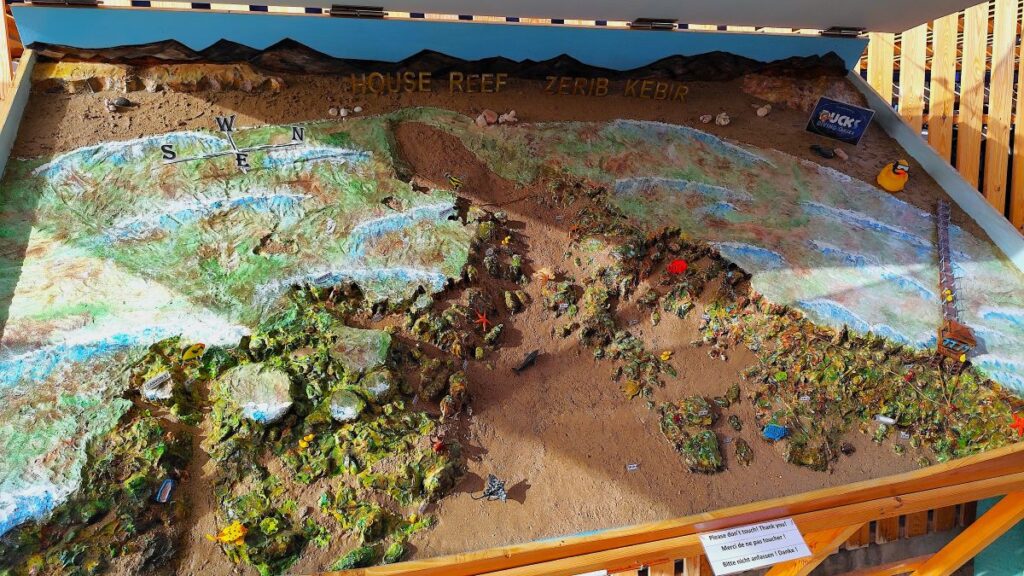
To think that the Rohanou Hotel’s house reef is just a simple dive site where you’ll enjoy doing only one or two dives before getting bored would be a serious mistake ! To put it more clearly, it’s a bit like several dive sites have been joined together or interwoven. The area is vast, and there’s more than enough to keep a diver busy for a whole week, with a few additional sites nearby for those who want them. There’s no better proof than the number of regular divers who come back here time and again !
The Jetty area (Entrance/Exit)
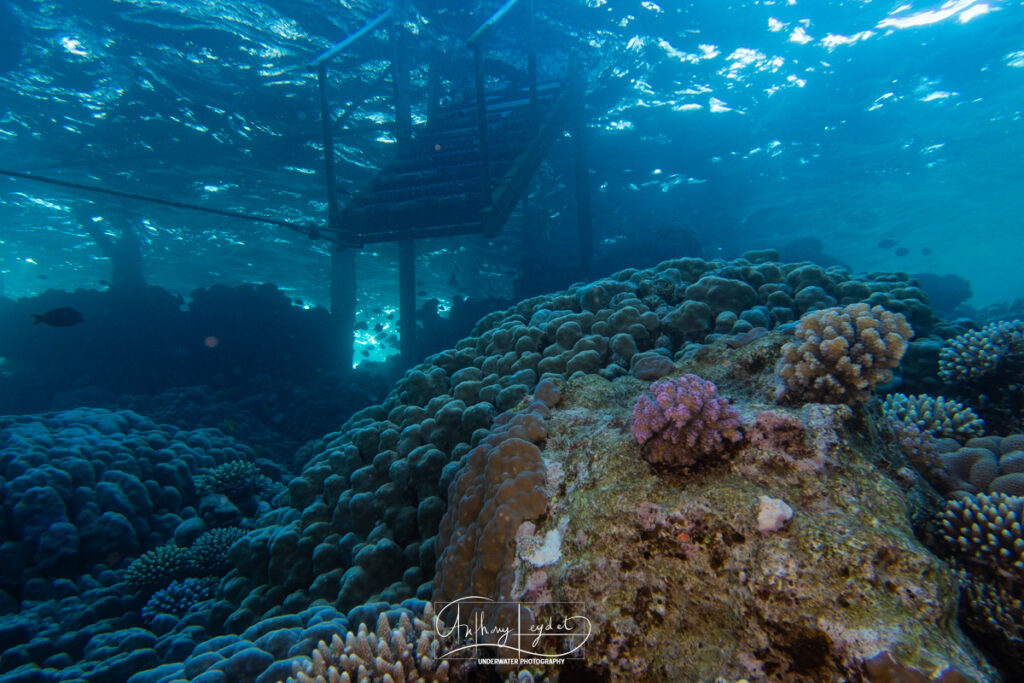
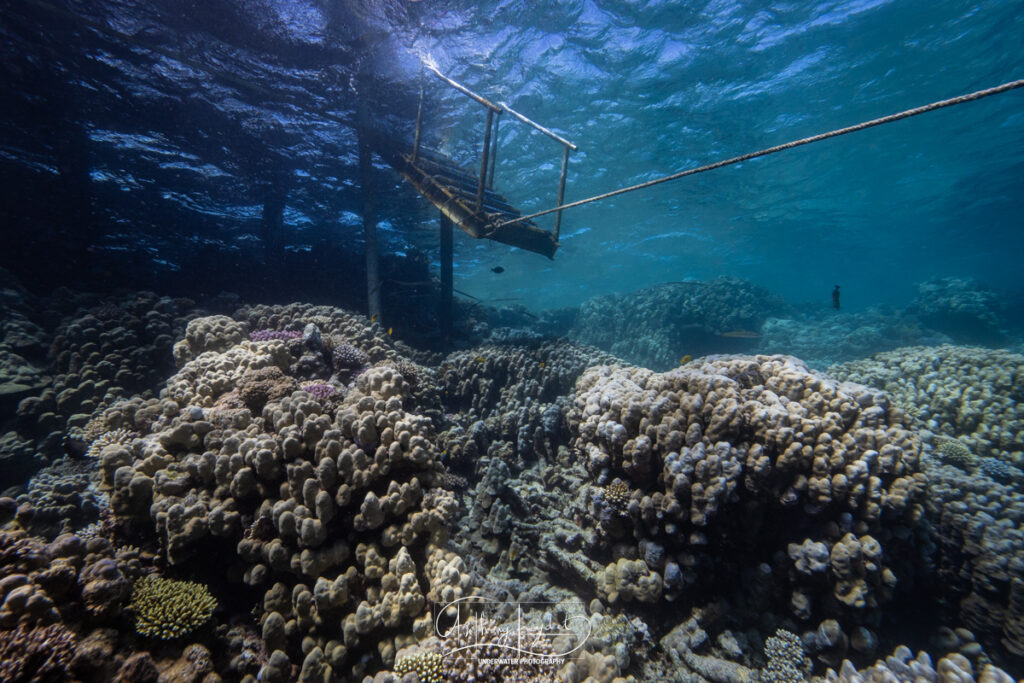
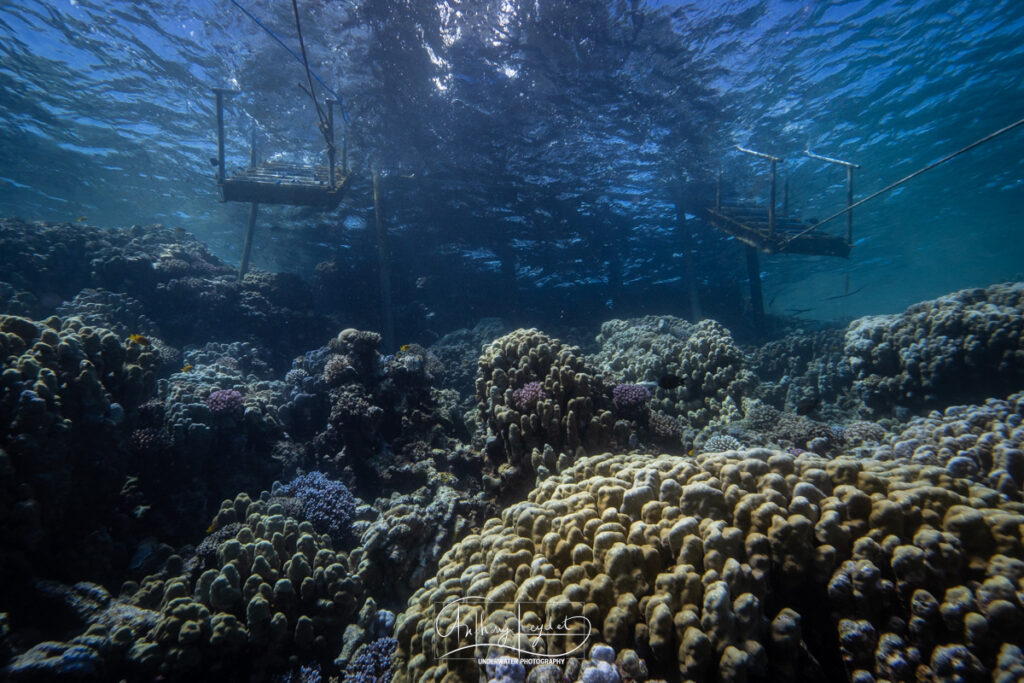
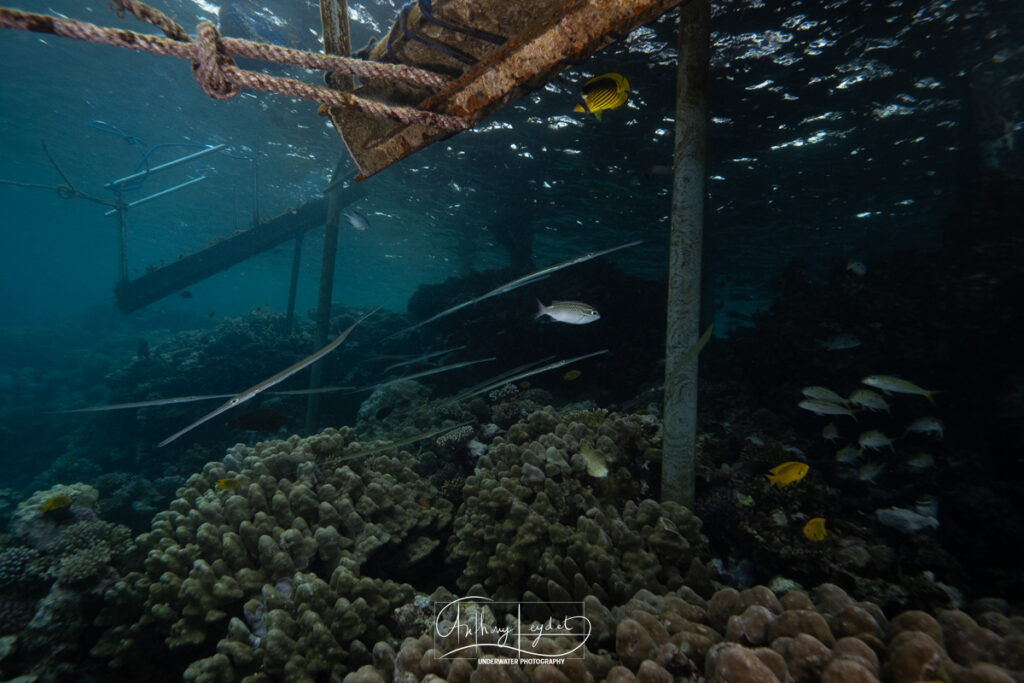
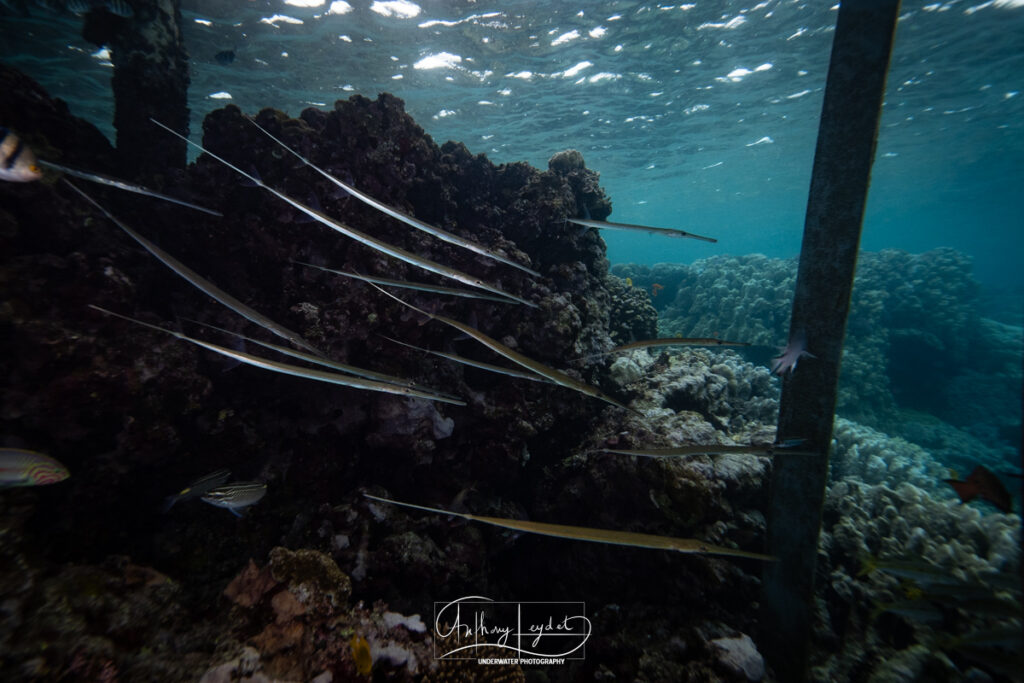
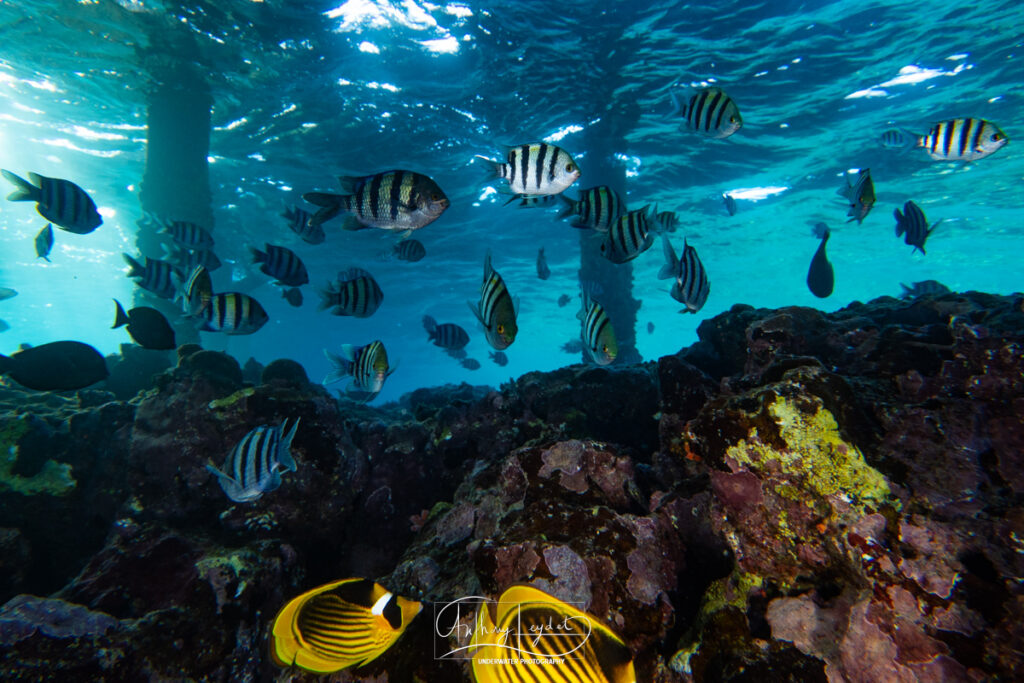
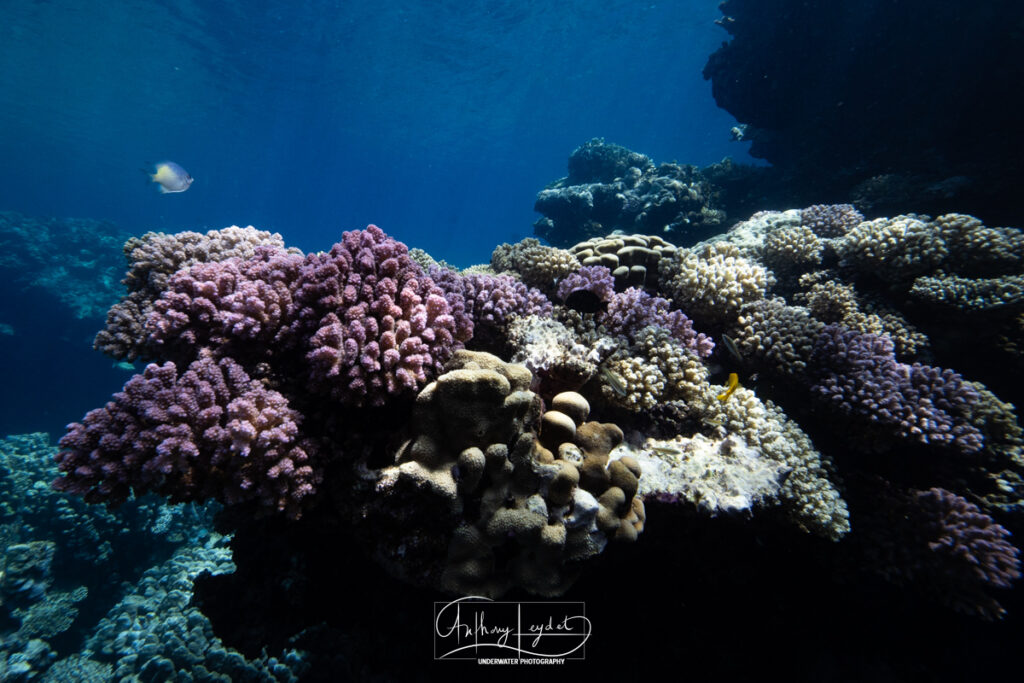
This is an important area, as it serves as the starting and ending point for most of your dives. As soon as you step into the water after descending the few steps of the handy metal staircase, you’ll discover the beauty of the reef right beneath the pontoon! The corals are stunning, and plenty of fish swim by, seeming to welcome the divers.
Don’t miss: cornetfish, damselfish, and butterflyfish ! This is the perfect spot to test your camera settings at the start of your dive.
The South Reef: the canyons (Photo & atmosphere zone)
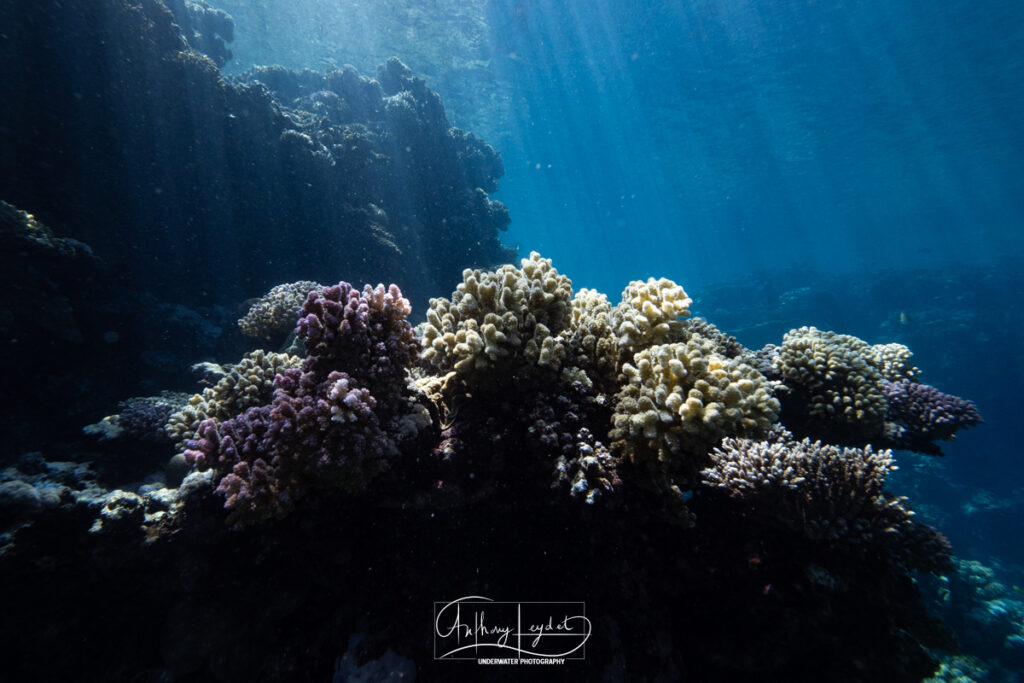
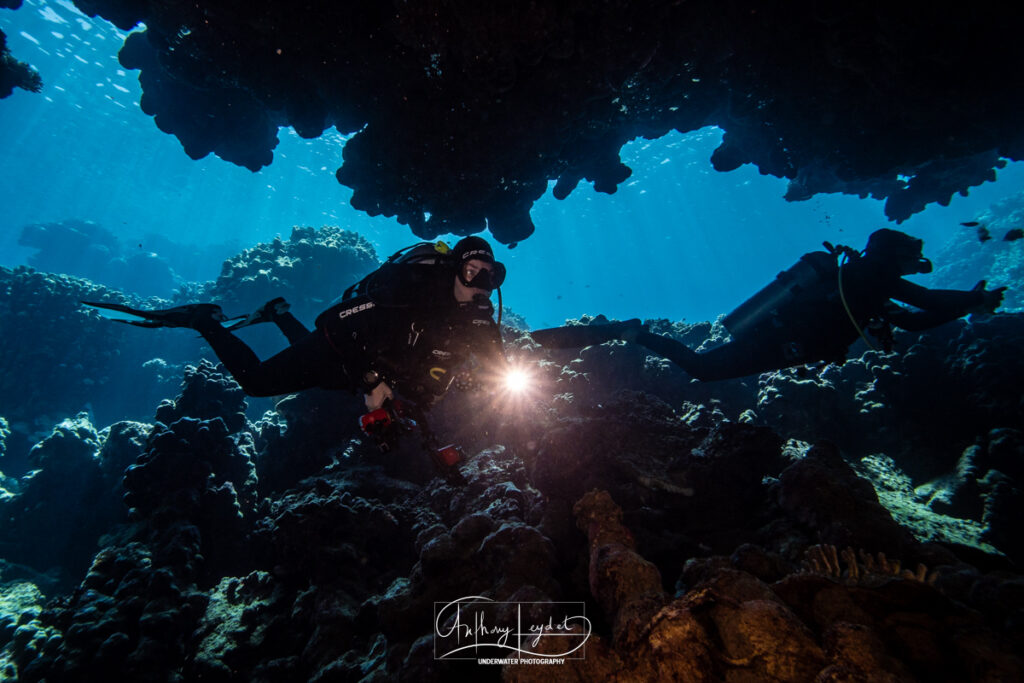
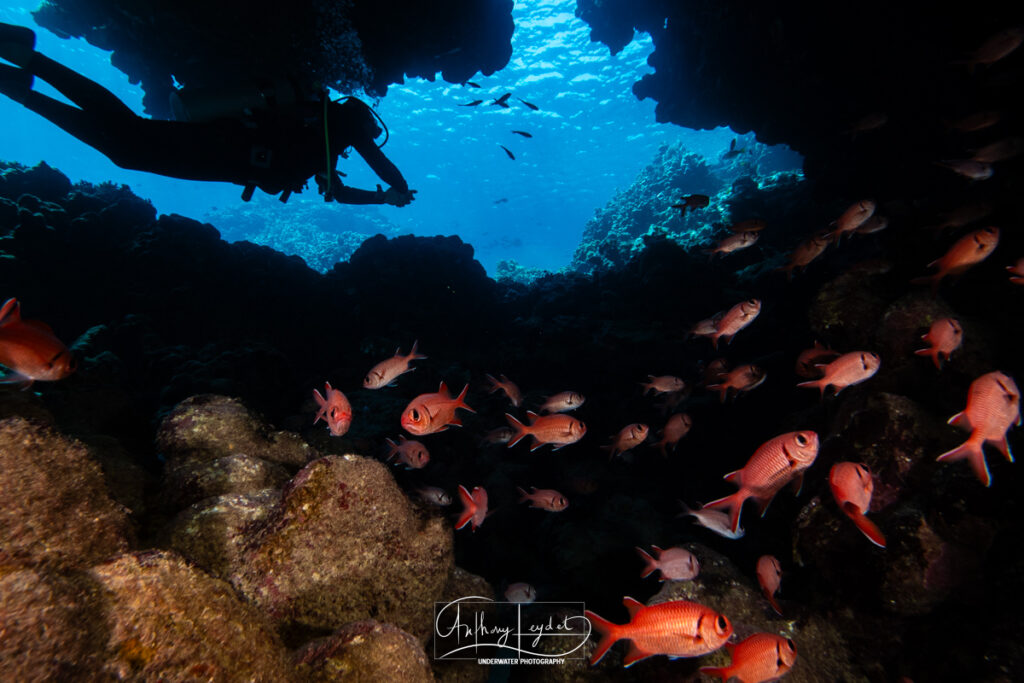
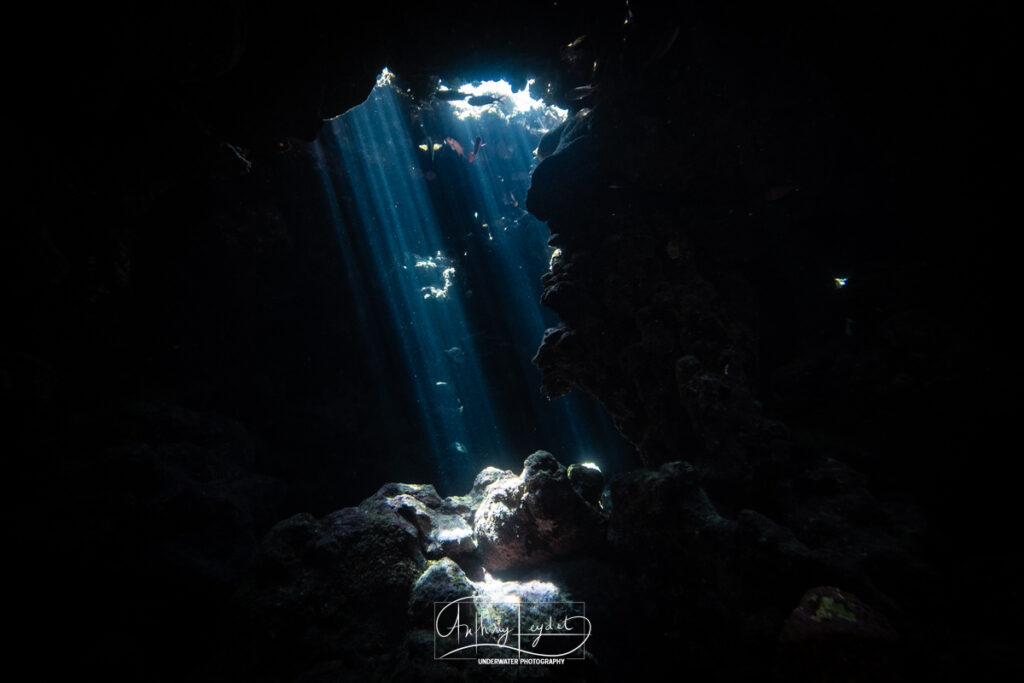
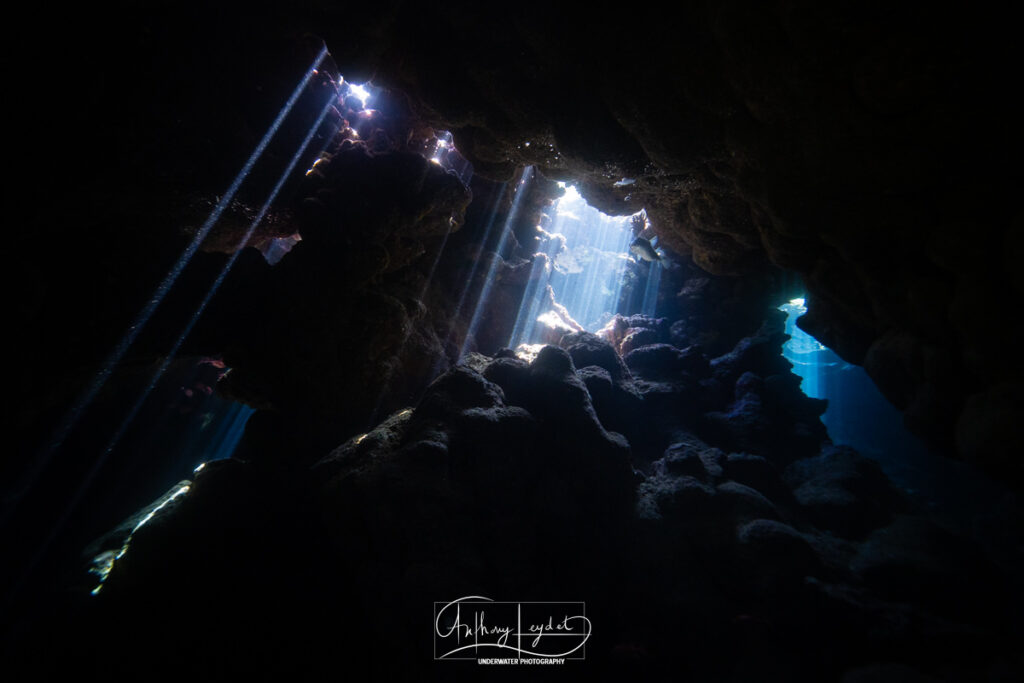
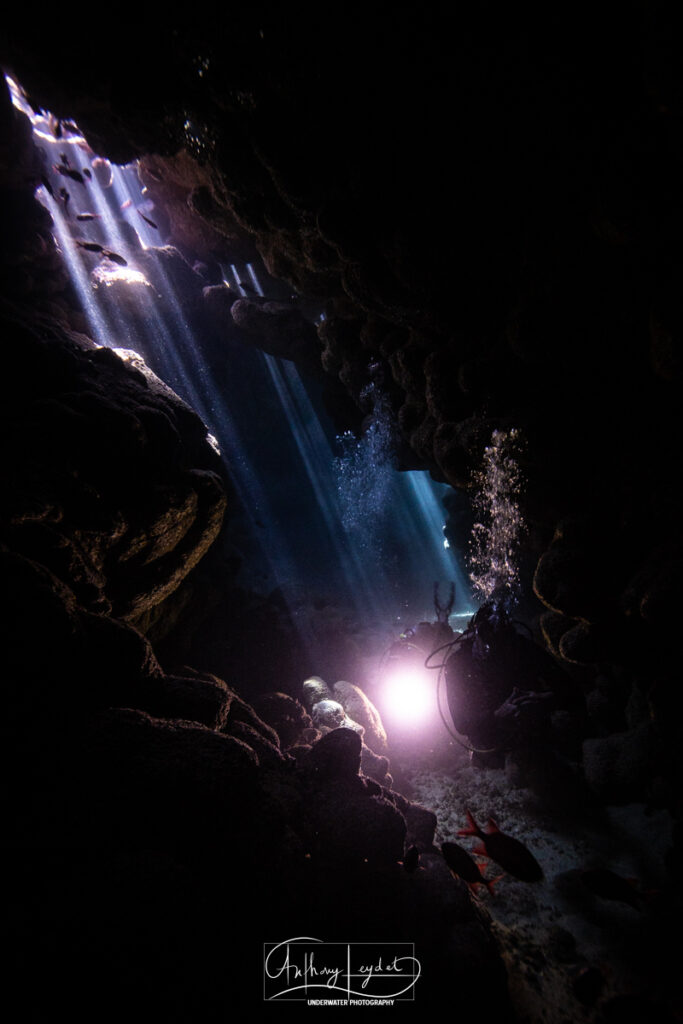
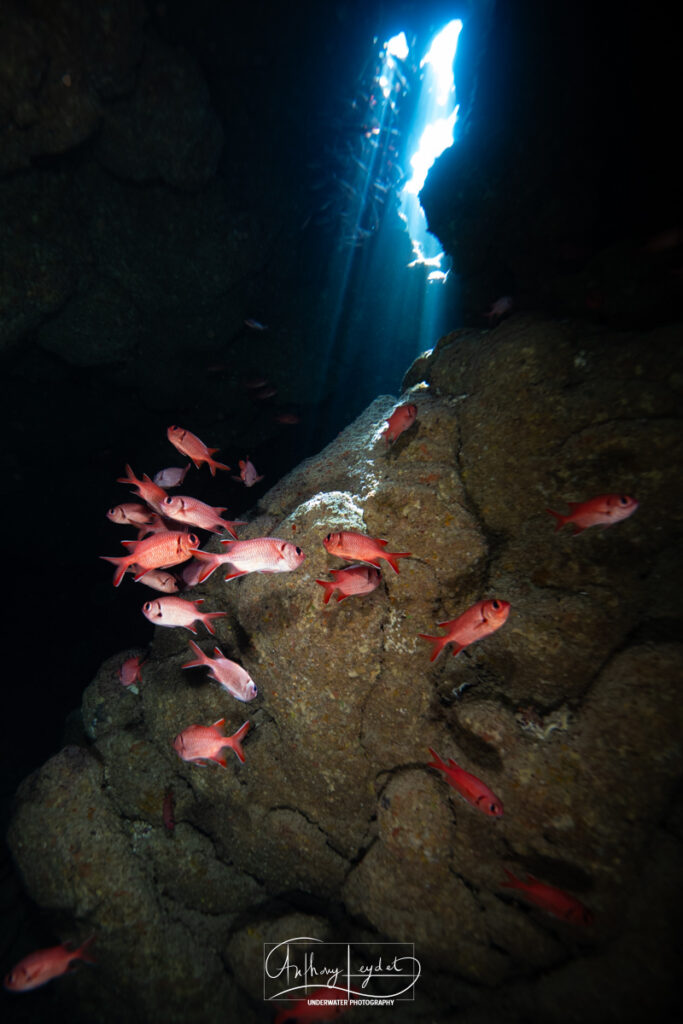
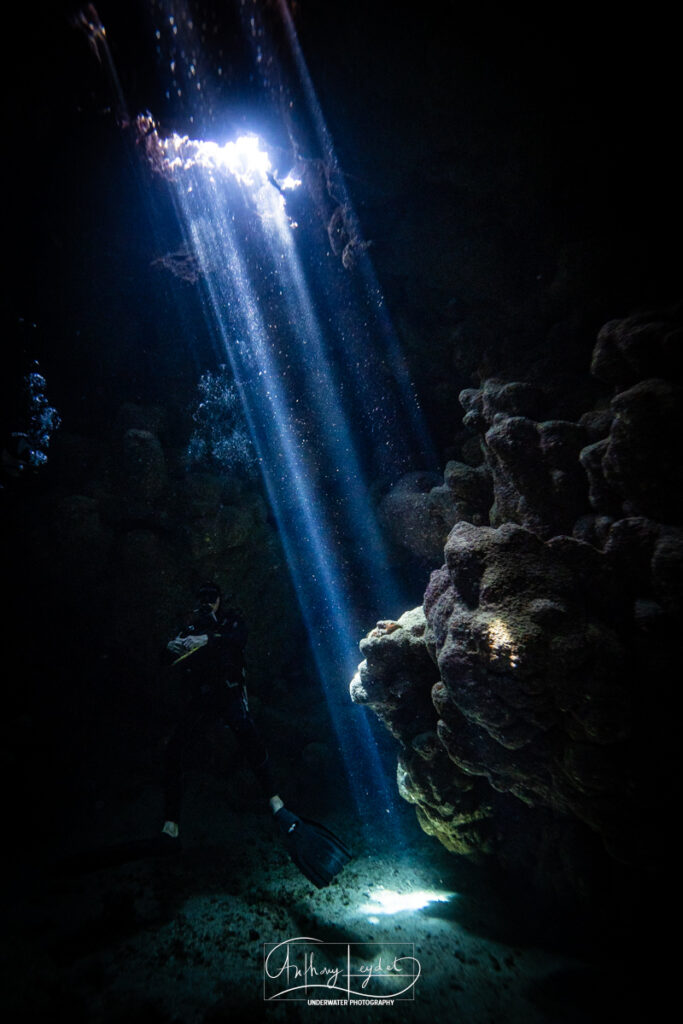
The most famous area of Zereb Kebir. In its southern section, the reef is crisscrossed by numerous tunnels, reminiscent of the Shaab Claudio reef in the Fury Shoals. Although the water is shallow, with a bit of caution (Ducks will guide you there once so you can explore these canyons, even as self-guided divers), you’ll discover incredible passages deep within the reef. Several small canyons actually end in caves of varying sizes, where shafts of light create a truly magical atmosphere !
- Profile: a maze of canyons and chimneys ranging from 3 to 10 meters deep.
- Highlights: the vertical play of light at noon. Look for schools of hatchetfish and apogonids in the dark crevices.
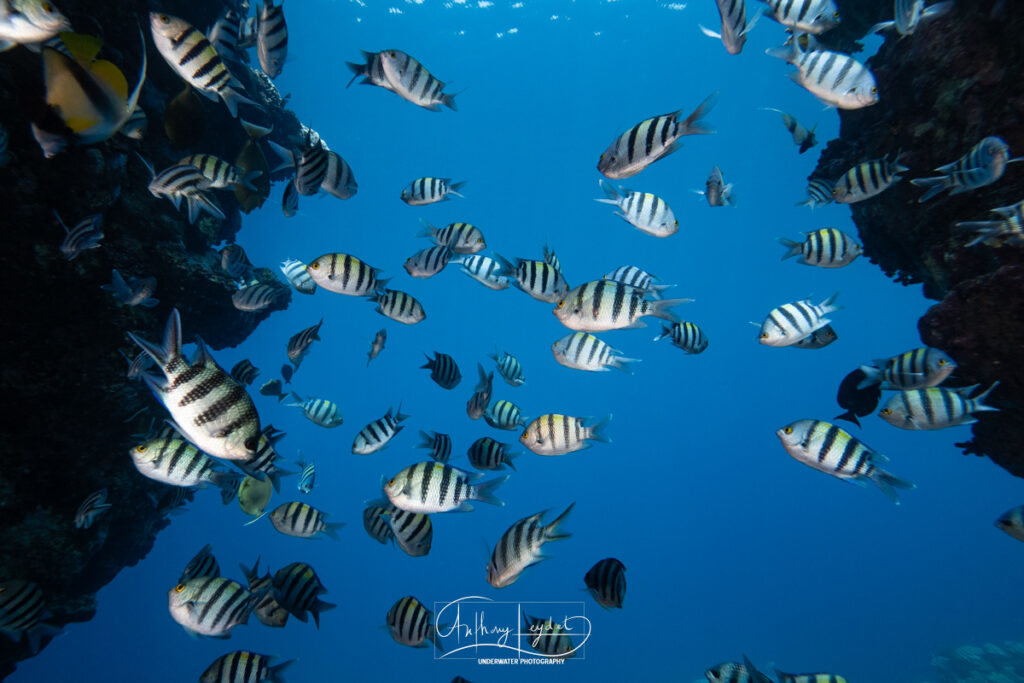
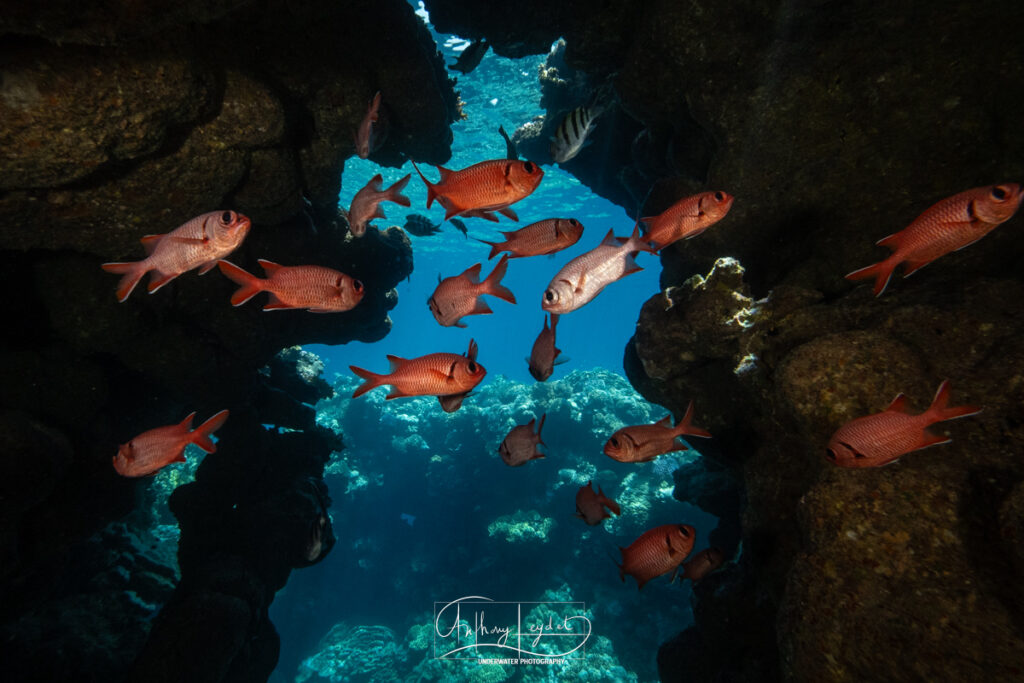
The “lagoon” and its tiny creatures (For “bio” divers)
Between the drop-off south of the pontoon and the canyons, you’ll find a wide channel of white sand, the upper part of which extends all the way to the beach outside Rohanou, forming a lagoon-like area. Here, marine life enthusiasts, photographers, and curious visitors can spend some time searching for some rare little creatures, starting with a stunning pair of pegasus fish !
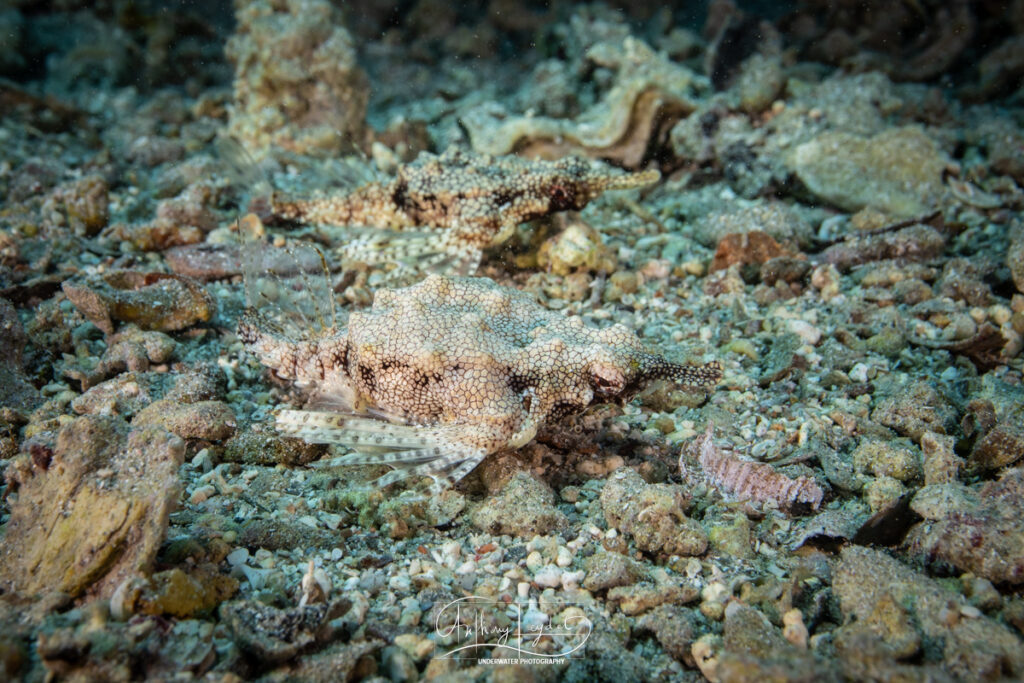
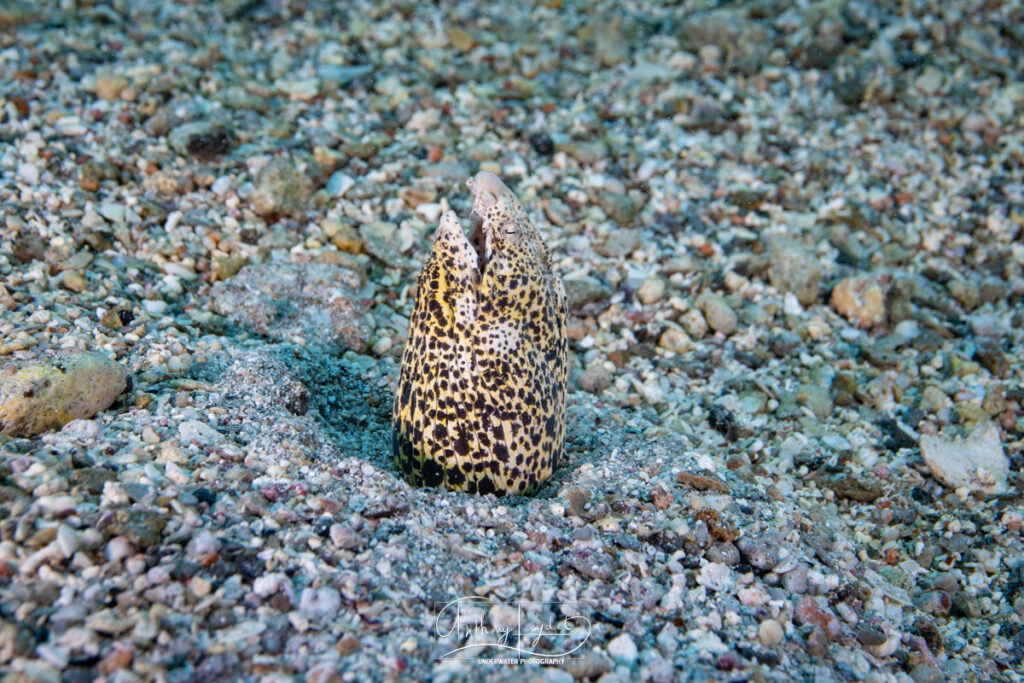
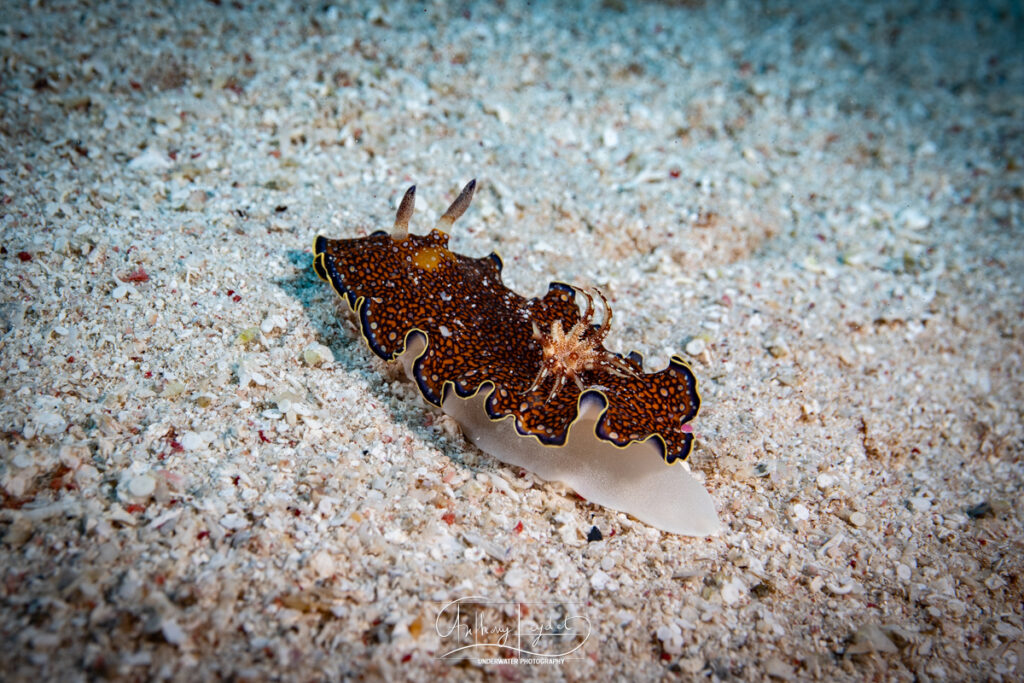
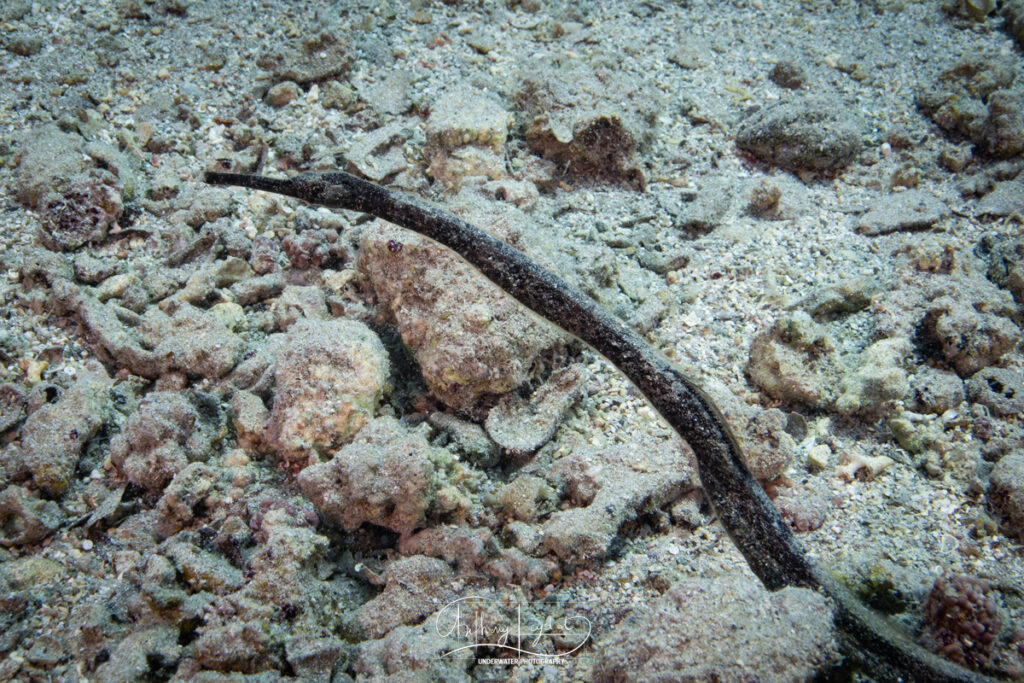
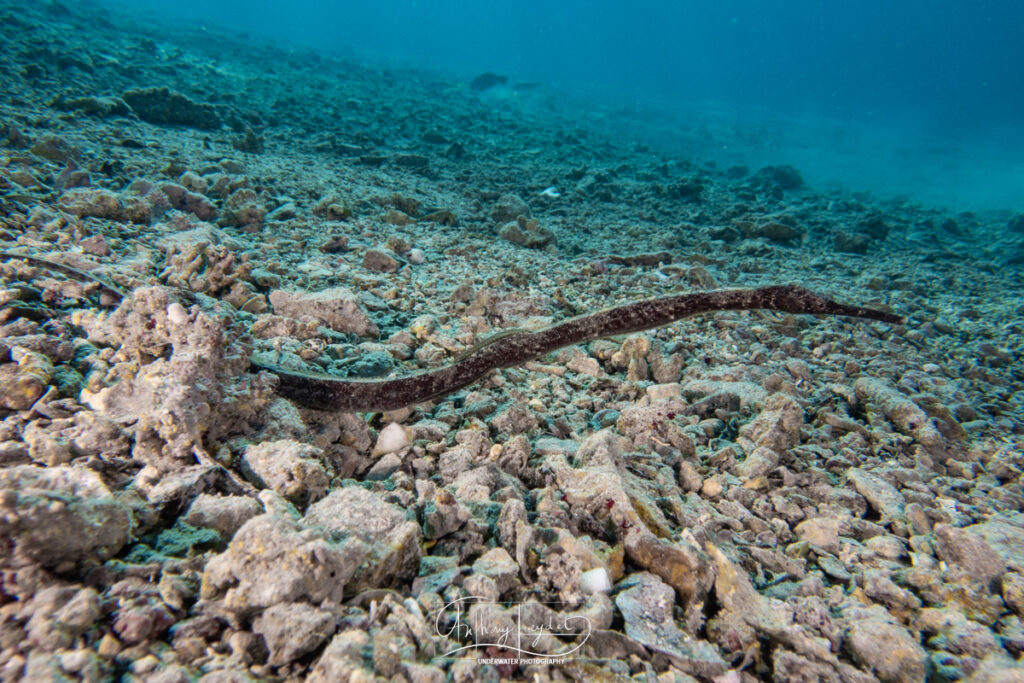
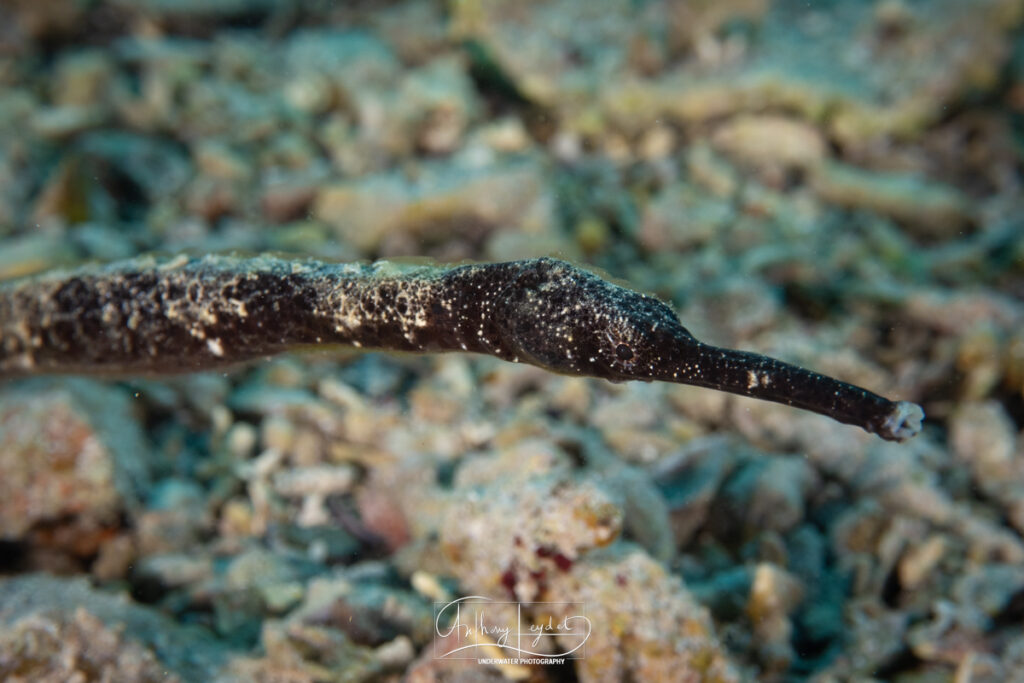
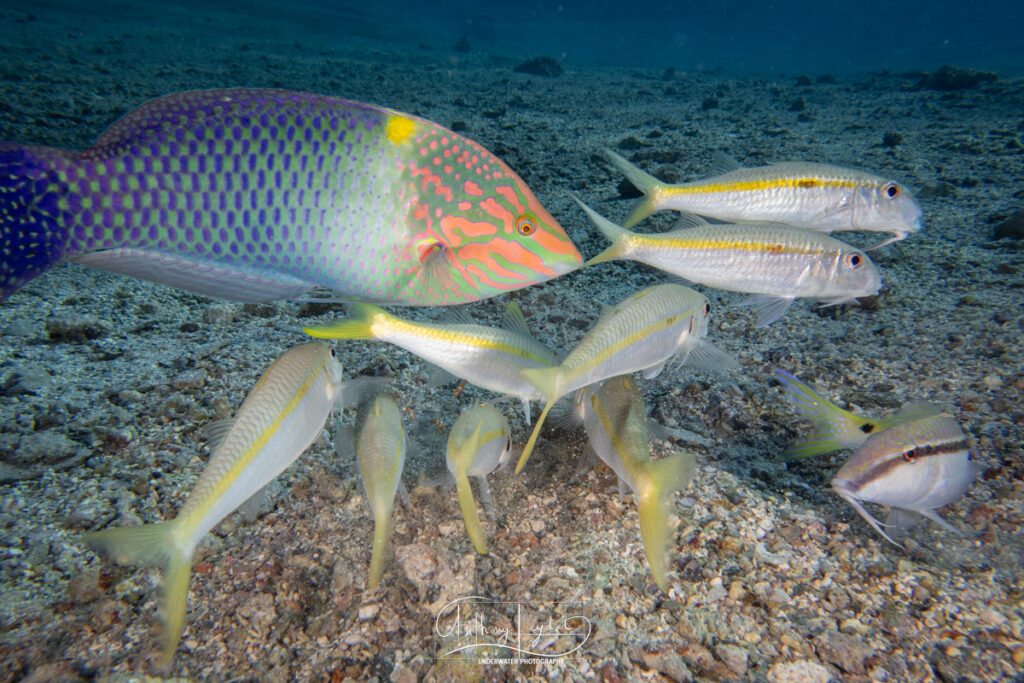
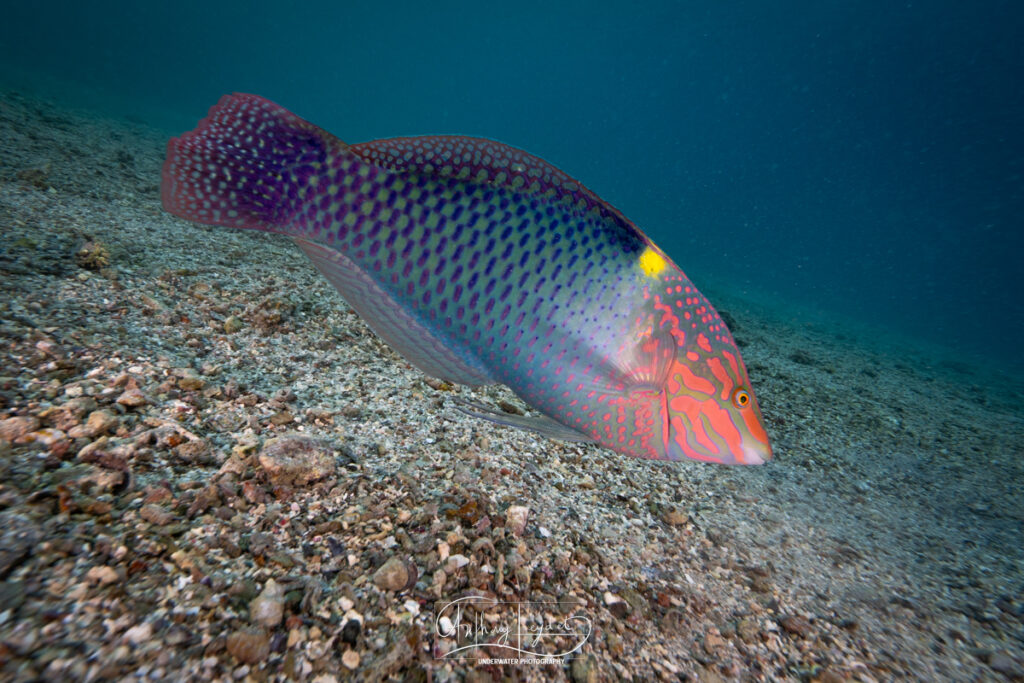
It’s also in this area that you often see a school of Indian mackerel swimming around with their mouths wide open in the open water !
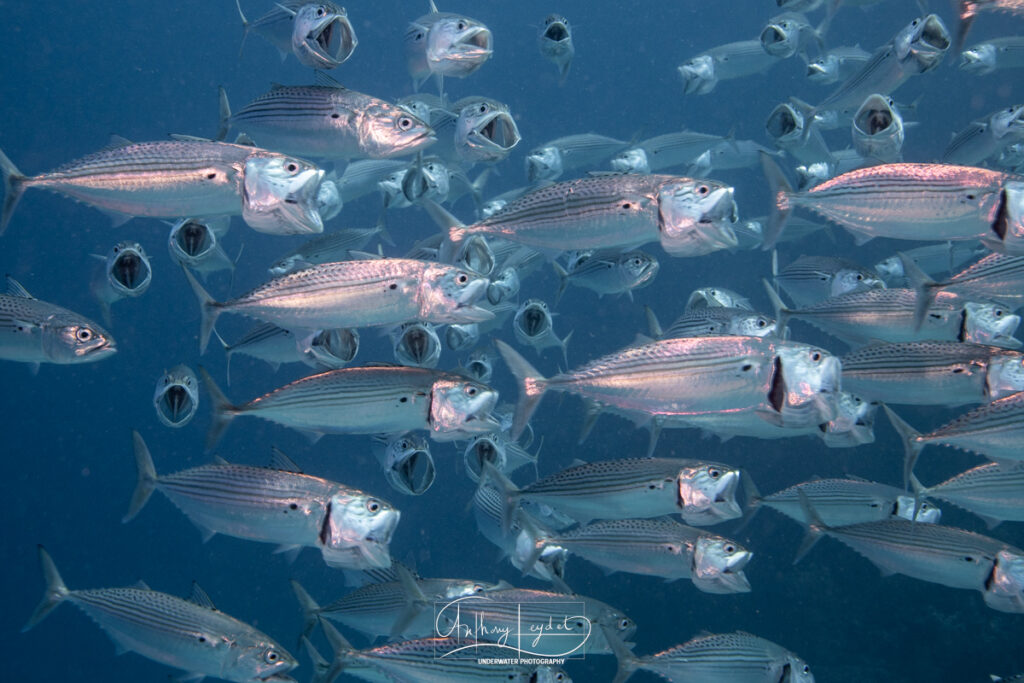
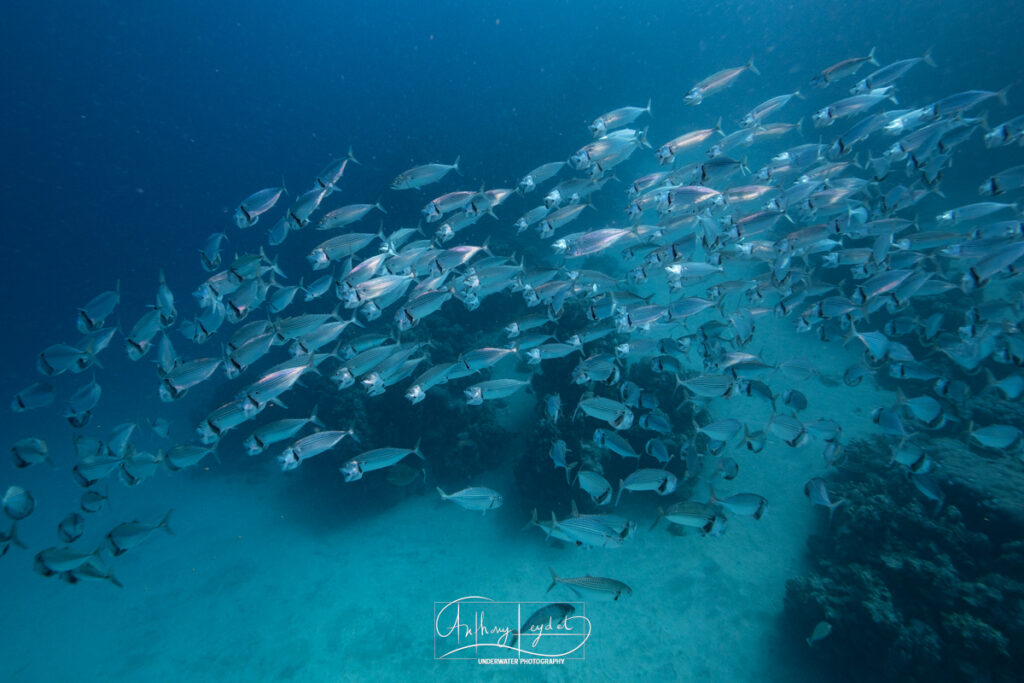
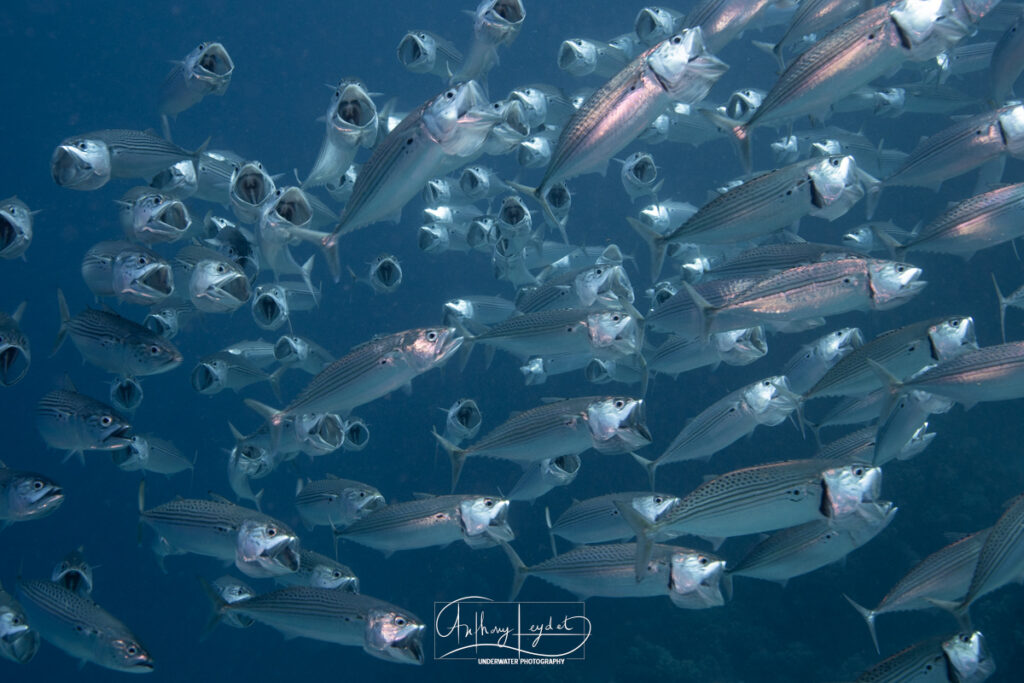
- Highlights: Pegasus fish, pipefish, snake eels, nudibranchs, blue-spotted stingrays, schools of Indian mackerel,…
The North Reef: the drop-off (Wildlife & drift diving zone)
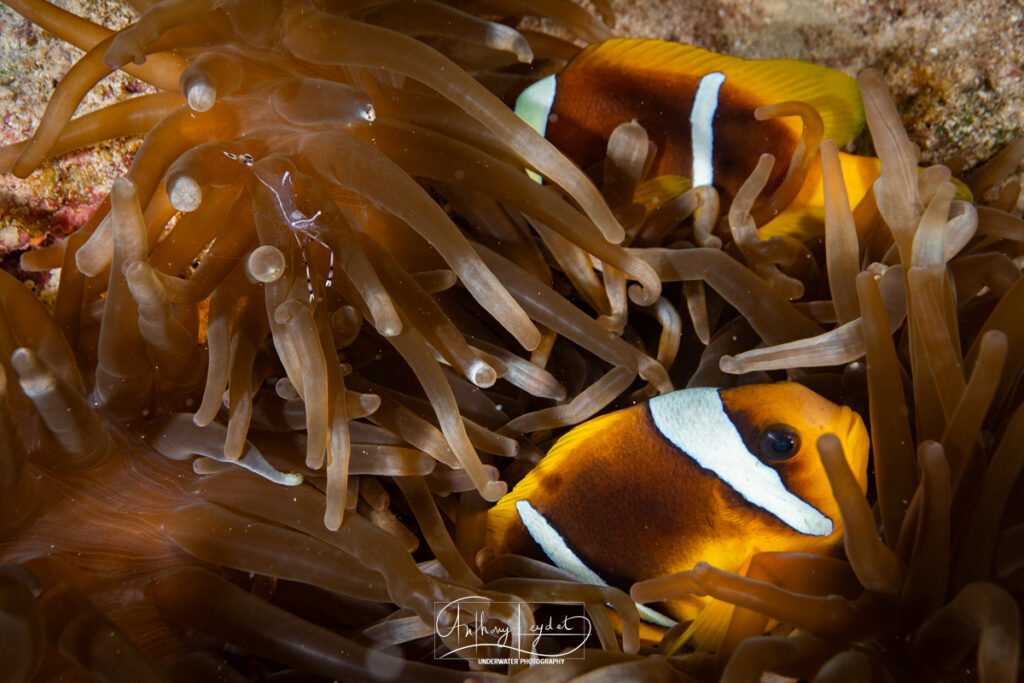
More exposed, this side of the house reef features steeper slopes, and it’s common to be dropped off at Nemo City and swim back along the drop-off to the pontoon. A small area covered with numerous anemones, home to their clownfish, at a depth of about 28 meters.
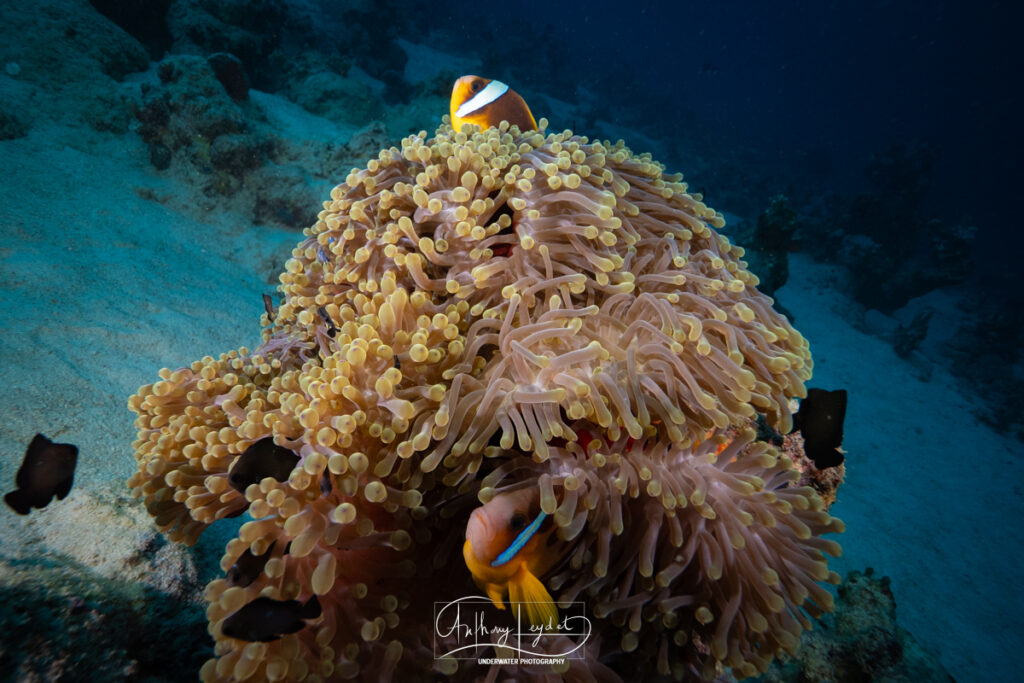
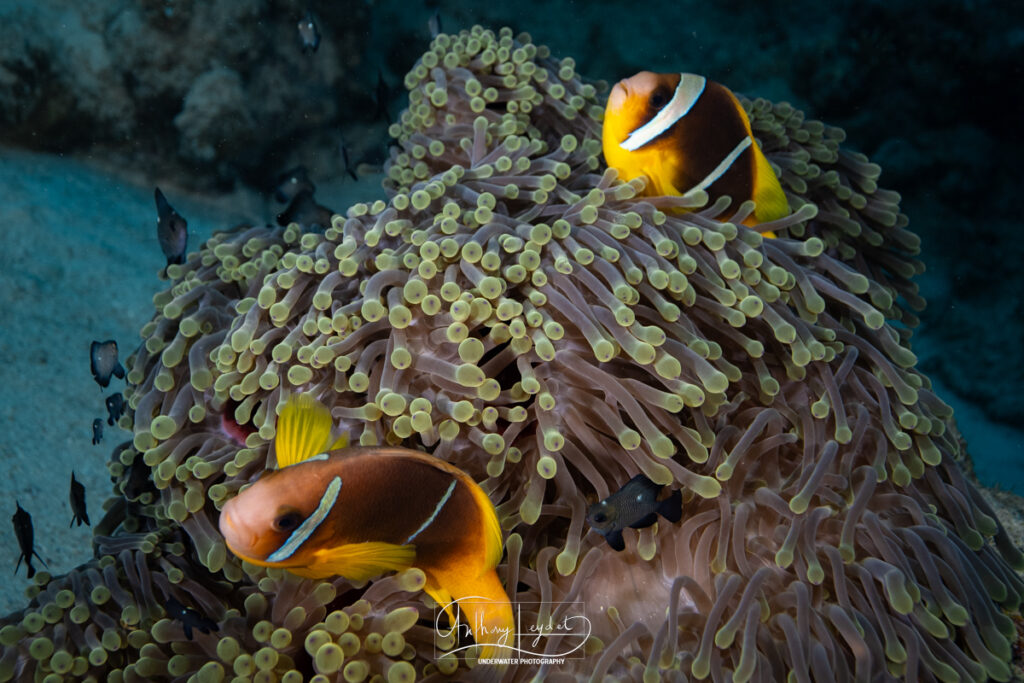
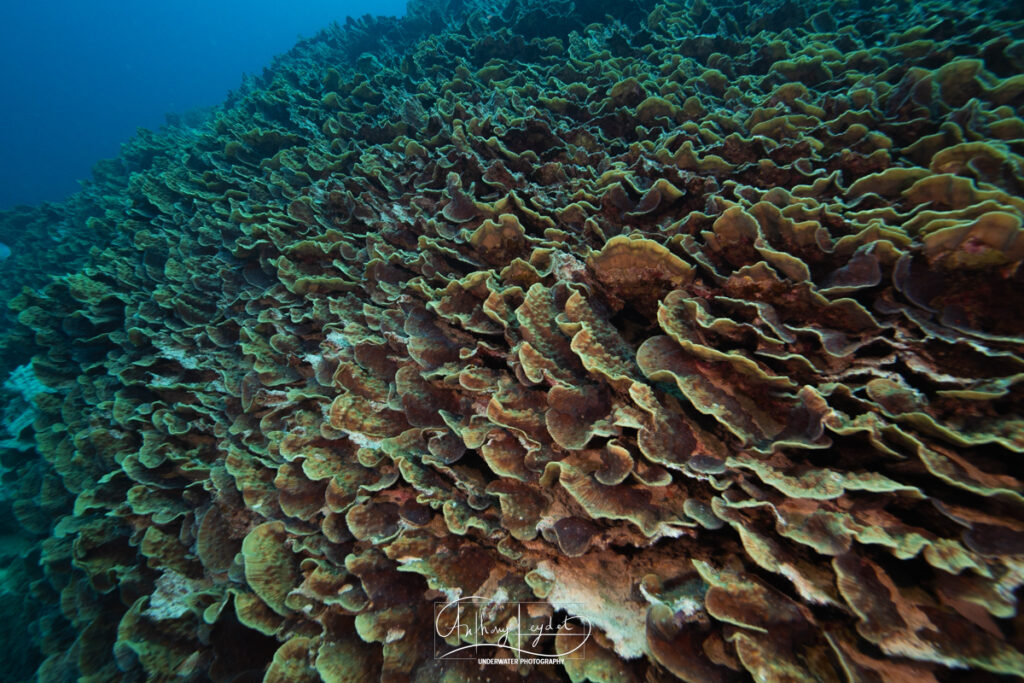
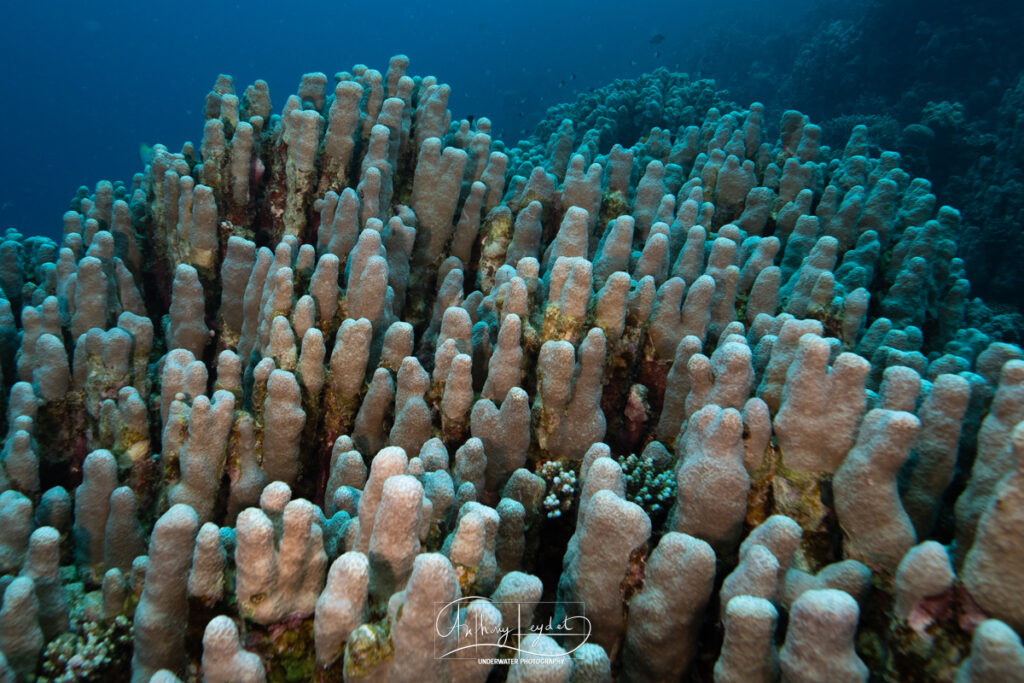
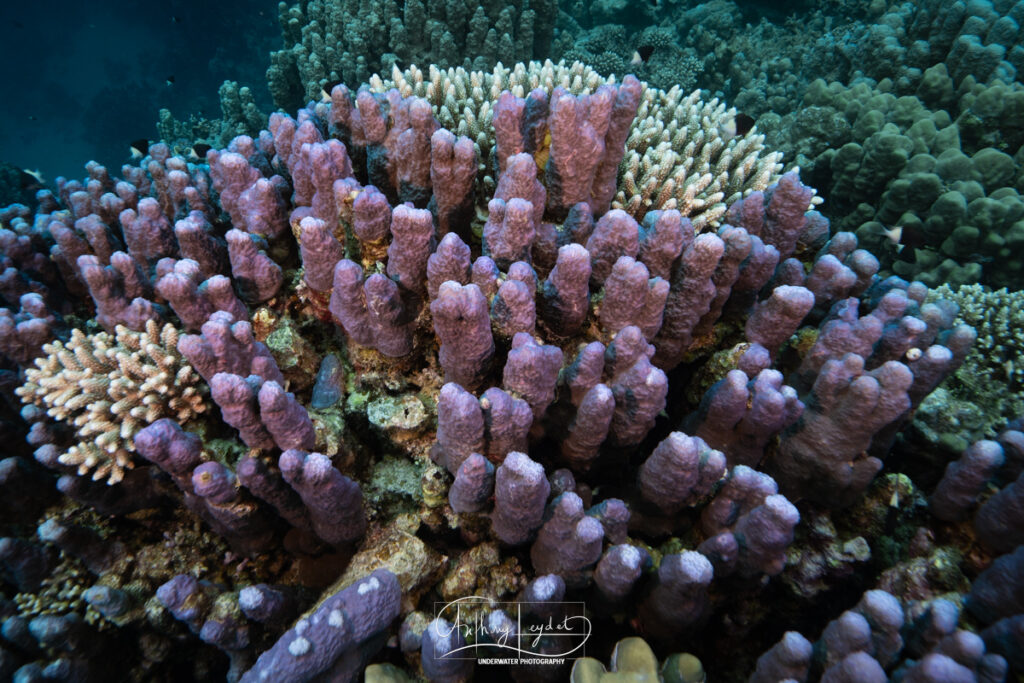
- Profile: a coral plateau that drops off sharply into the depths. The hard coral formations here are impressive.
- Highlights: this is where you’re most likely to spot some pelagic species, so be sure to keep an eye on the open water !
Other dive sites accessible from the Rohanou with Ducks
The Rohanou Dive Center offers more than just diving on the house reef. They regularly organize trips to off-site locations. These can be by zodiac to nearby sites such as Erg Monika (an open-water reef rising to about 5 meters, featuring beautiful formations and abundant marine life), or Nemo Land (not to be confused with Nemo City… There, you’ll find a much larger area covered in anemones and just as many clownfish. It’s also a site frequented by many hawksbill turtles, right across from old El Quseir). You can also opt for dives further afield with a Jeep transfer and a more spacious rigid-hulled dive boat to explore areas near Port Ghalib or even Elphinstone !
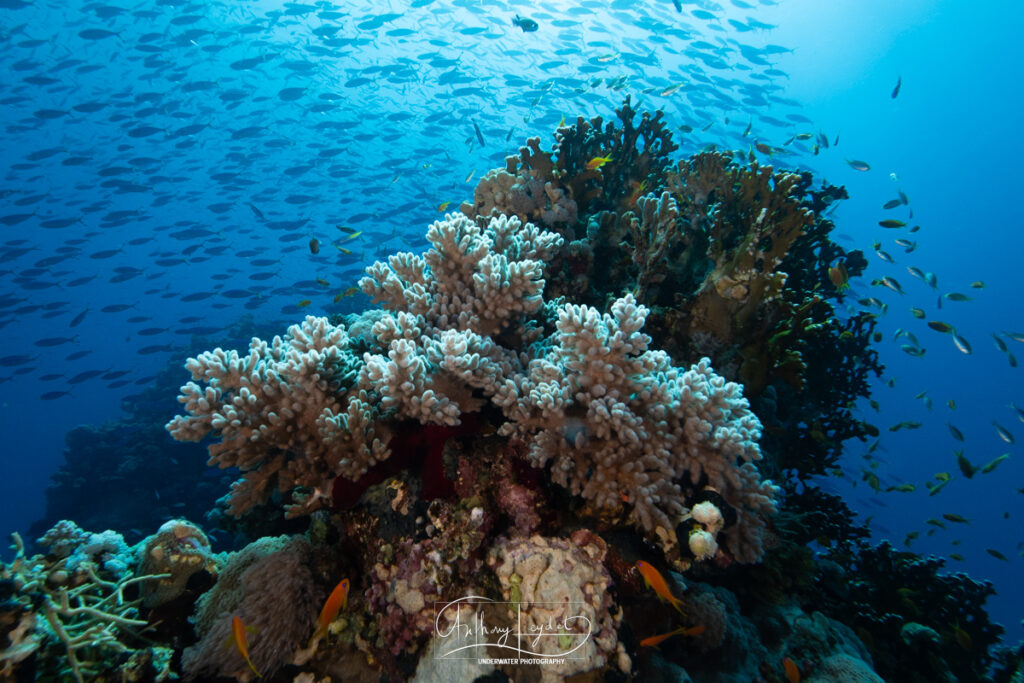
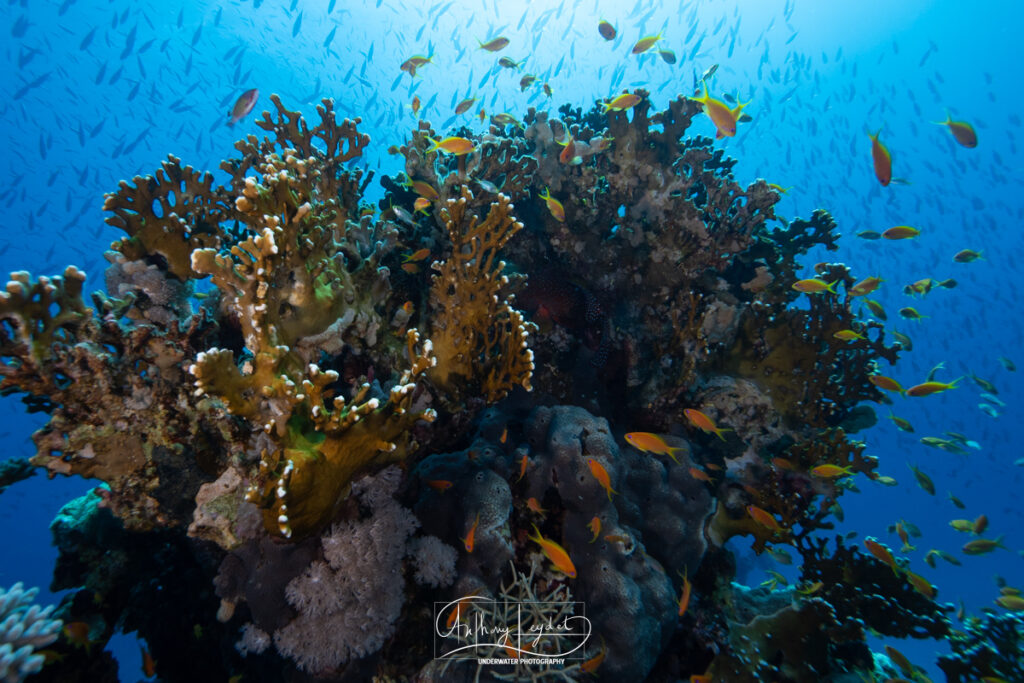
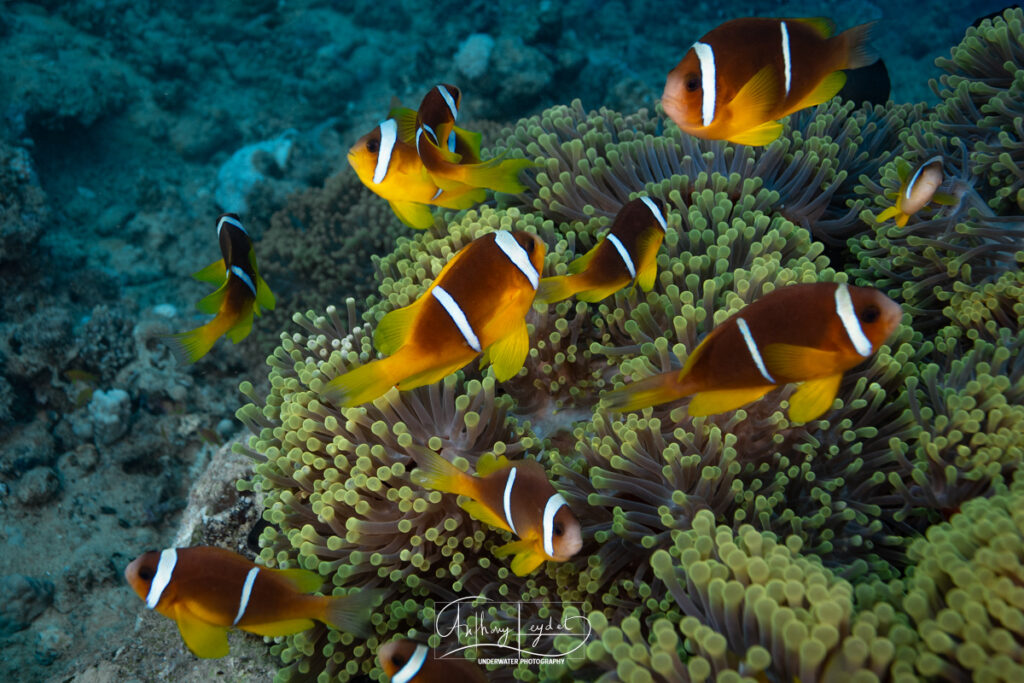
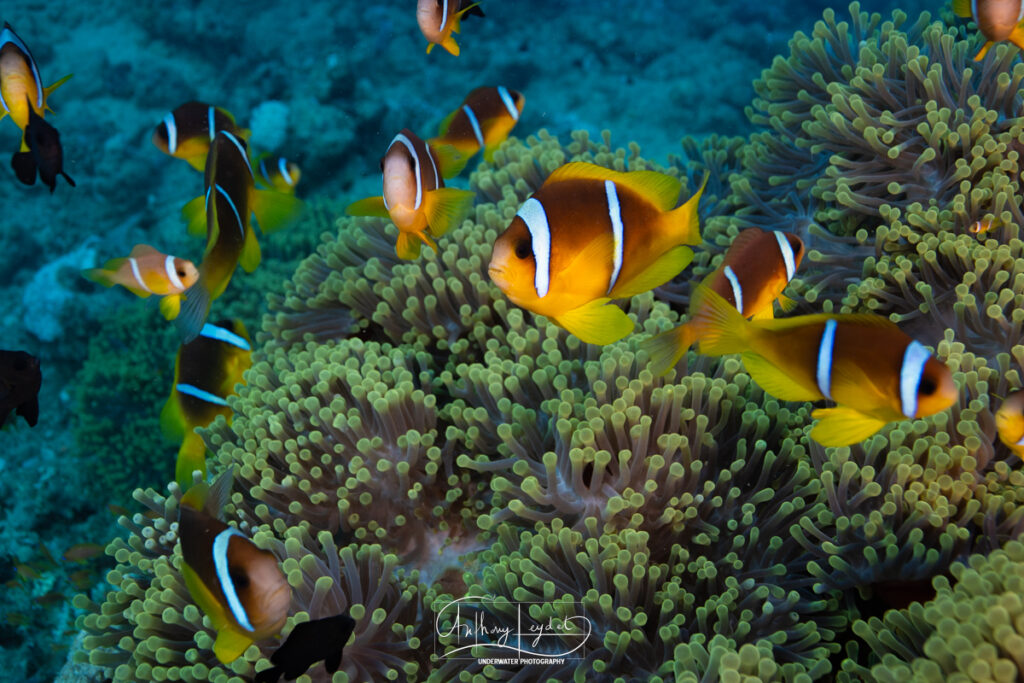
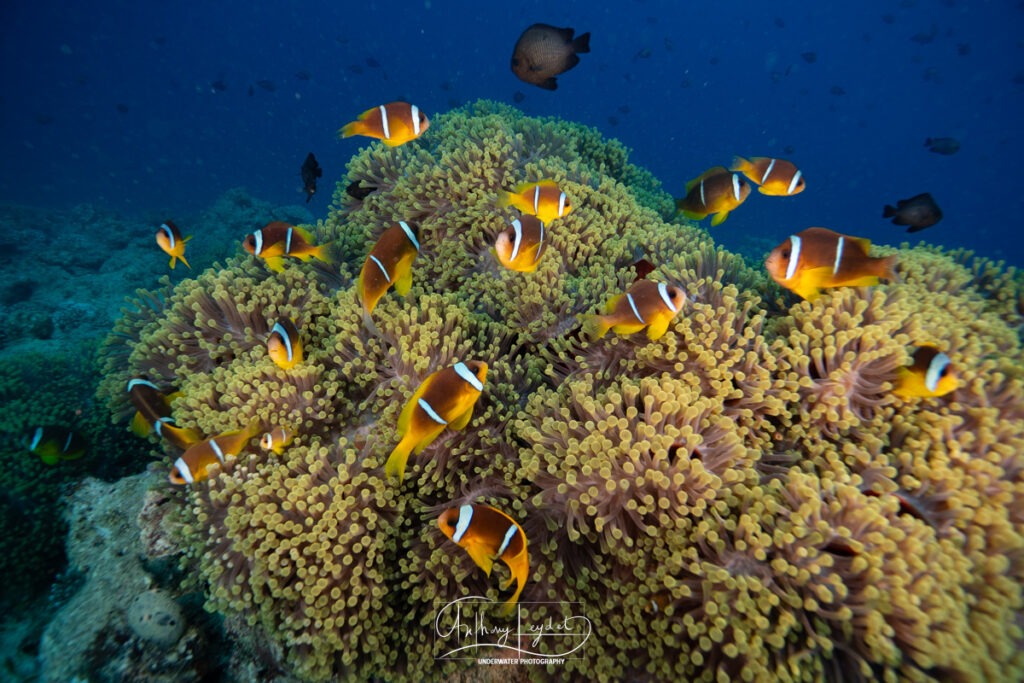
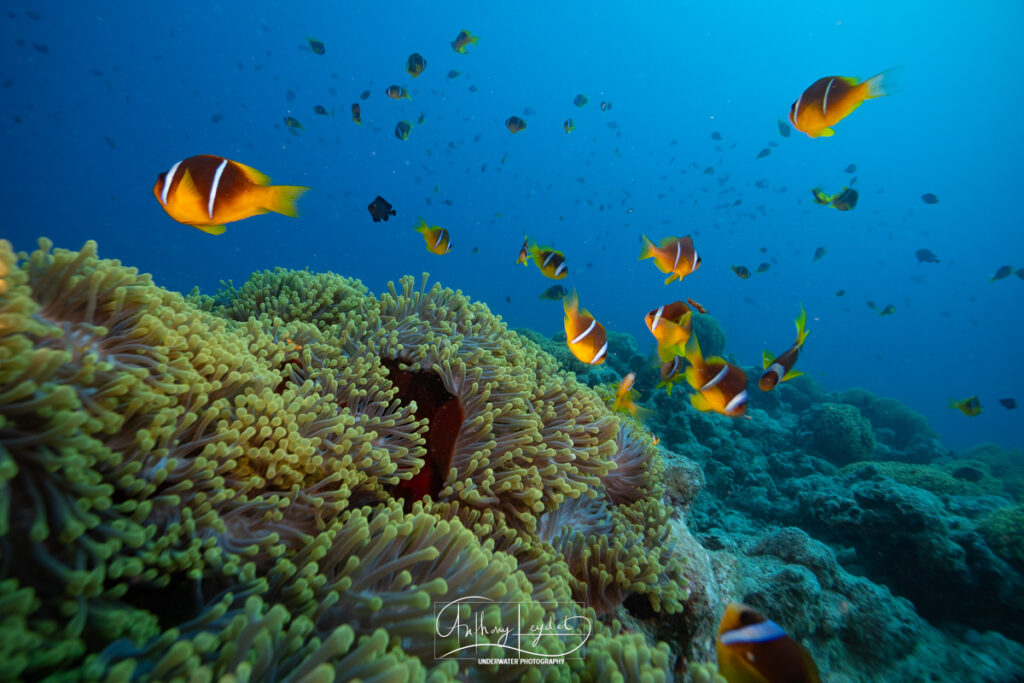
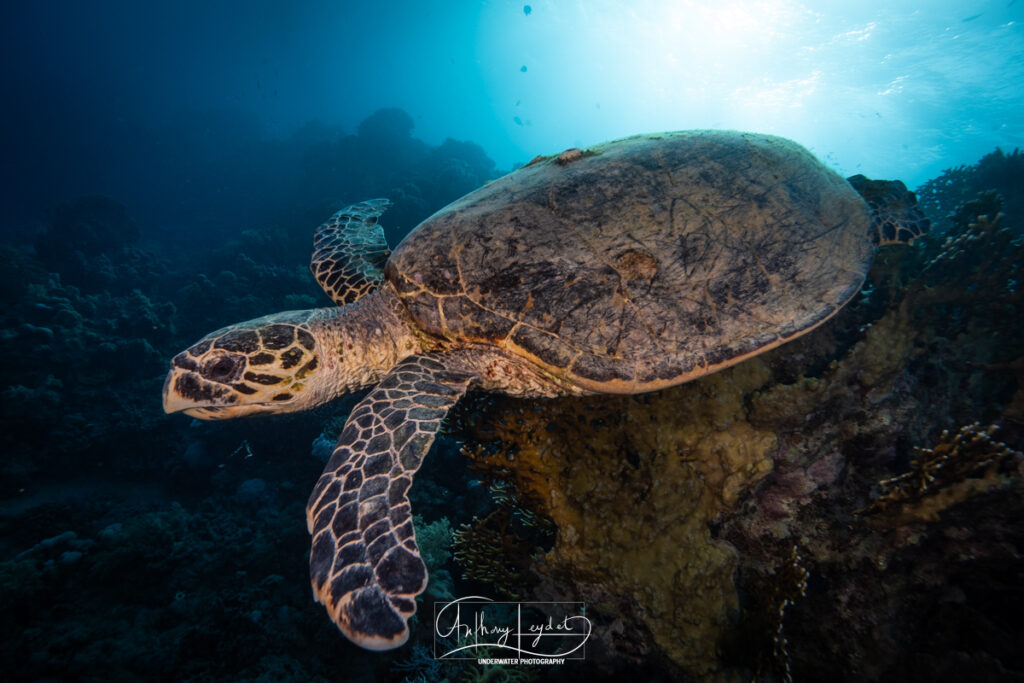
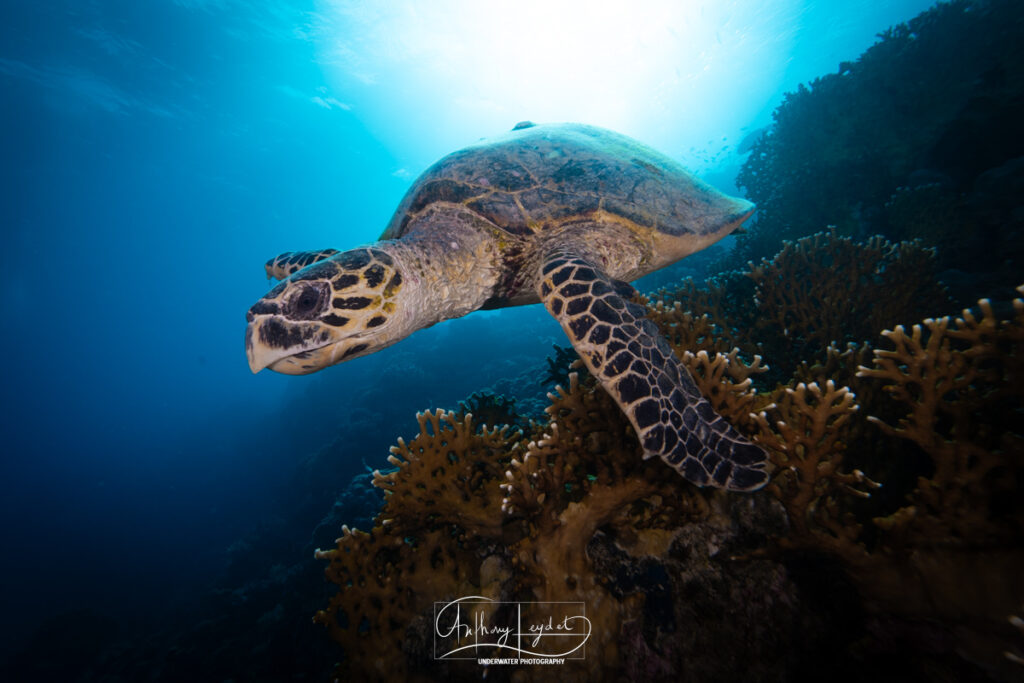
What marine life can you see while diving El Quseir ?
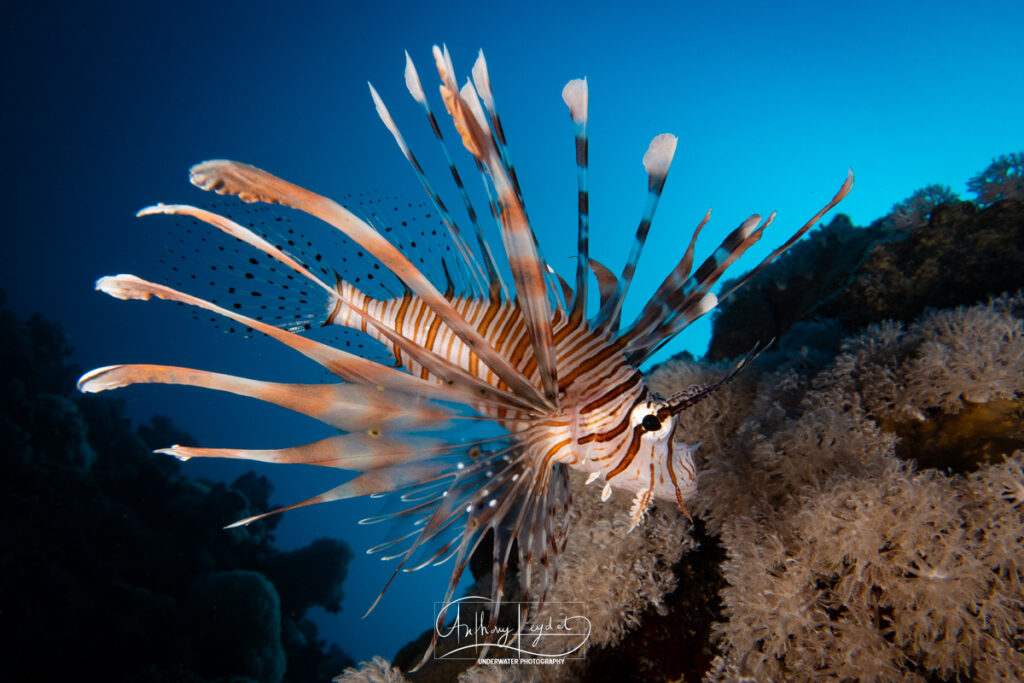
The house reef at Zerib Kebir is a true paradise for divers, whether they’re beginners, more experienced, photographers, or others… And although wreck enthusiasts or those seeking large marine life may not find what they’re looking for here, diving in El Quseir guarantees a rare sense of tranquility and a diving experience that will delight both first-time visitors to the Red Sea and seasoned divers alike.
>>>>> Would you like to learn more about the marine life of the Red Sea ? <<<<<
Check out this video to see an example of what you might find beneath the surface in just a few days !

Diving conditions in El Quseir, Egypt
Red Sea — Egypt
Sea temperatures at El Quseir
26°06′ N · Central Red Sea coastIndicative values — adjust according to personal cold tolerance, depth and dive duration.
Photographer’s Tips for Taking Great Underwater Photos in the Red Sea
The Red Sea is an exceptional natural setting, but the unique topography of El Quseir, particularly its famous caves, requires a few technical adjustments to bring out the best in your photos. Here are my recommendations for this trip:
1. Master the contrasts in the caves
The southern slope of Zerib Kebir is a paradise for light effects. To capture those famous “cathedral rays” without blowing out your highlights:
- Turn off your flashes: in shallow cavities, natural light is sufficient on its own.
- Underexpose slightly: this deepens the blue and makes the beams of light appear more defined.
- Aim your camera upward: include some of the dark rock in the foreground to add depth to the image.
2. Macro photography: the art of patience
The central sandy area and the fringing reefs are teeming with small marine life (pipefish, nudibranchs, gobies, etc.).
- Stabilization: the current is often weak in the bay, so take advantage of this to fine-tune your manual focus on your subjects’ eyes.
- Side lighting: use your strobes or flashes from the side to avoid illuminating suspended particles, which are common near the sandy bottom.
Wide-angle: anticipate the blue
On the north side, where the drop-offs are steeper, be ready to capture the unexpected.
- Shutter speed: increase your shutter speed if you encounter barracudas or other moving predators to capture the perfect shot.
- Balancing: strive for a balance between the artificial light from your strobes (for the colors of the coral in the foreground) and the natural light from the sun (for a deep blue background).
My tip: Don’t overlook the “Golden Hour.” In El Quseir, the low-angle late-afternoon light filters through the shallow waters of the plateau with incredible softness, making it ideal for atmospheric photos just before you step out of the water.
Did you enjoy this article ? Feel free to share your own experiences in El Quseir in the comments or ask me any questions you have about underwater photography !